When to ask about custom mouthguards
You play contact sport, have dental work to protect or need a guard that fits better than a generic option.

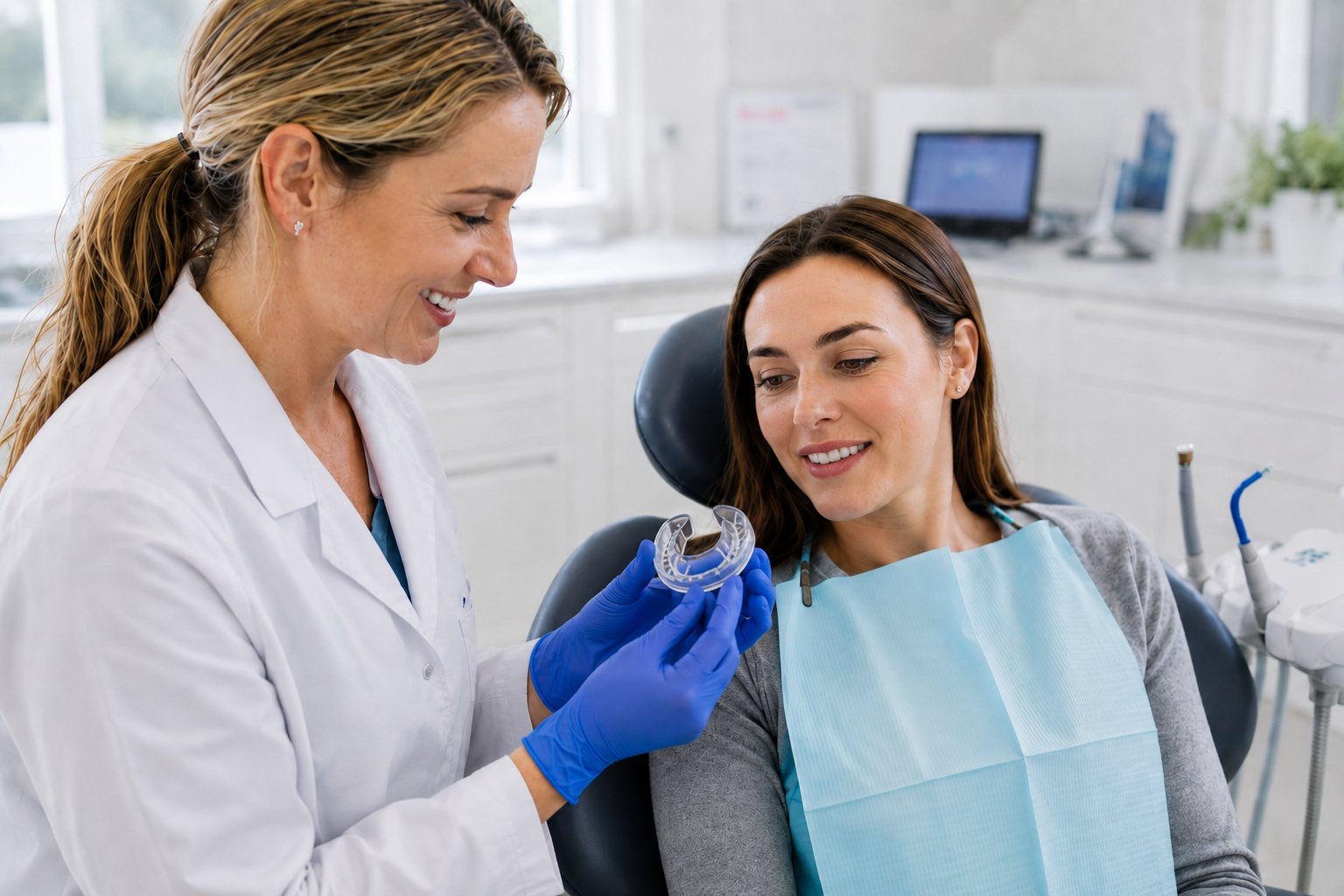
A mouthguard that feels bulky or loose is less likely to be worn when it matters. If a previous guard was hard to wear, say so at the appointment, because that is useful to know.
A custom mouthguard appointment checks the teeth, bite, sport type and any dental work before records are taken for a guard. You can ask what the records involve, and what they cost, before anything is made.
Tell your dentist what sport you play and how often; it guides the design
Scans or impressions may be used so the guard fits your teeth and bite
Crowns, fillings or braces? Tell your dentist, as they affect guard planning
Growing teeth, braces or a loose fit? The guard may need review or replacement















These details are a guide only. The team confirms the appointment type, fees, claiming context and clinical needs before treatment proceeds.
You play contact sport, have dental work to protect or need a guard that fits better than a generic option. Call first if a sports impact has already loosened, broken or knocked a tooth.
You play contact sport, have dental work to protect or need a guard that fits better than a generic option.
Checking the mouth, sport needs, bite and whether scans or impressions are appropriate.
Fees vary with the records, the material, the design, replacement timing and health fund rules. Ask for the likely cost, and for your health fund and payment-provider terms to be checked, before you agree to treatment.
Call first if a sports impact has already loosened, broken or knocked a tooth. Reception can help work out how soon you should be seen.
The guard needs to suit the mouth today, the sport being played and any braces or dental work that may change fit.
Tell your dentist what sport you play, how often you train and when games start. Contact level and timing help guide when a guard should be organised.
Scans or impressions may be used so the guard is made around your teeth, bite and dental work.
Growing teeth, orthodontics, wear or a loose fit can mean the guard needs review or replacement.
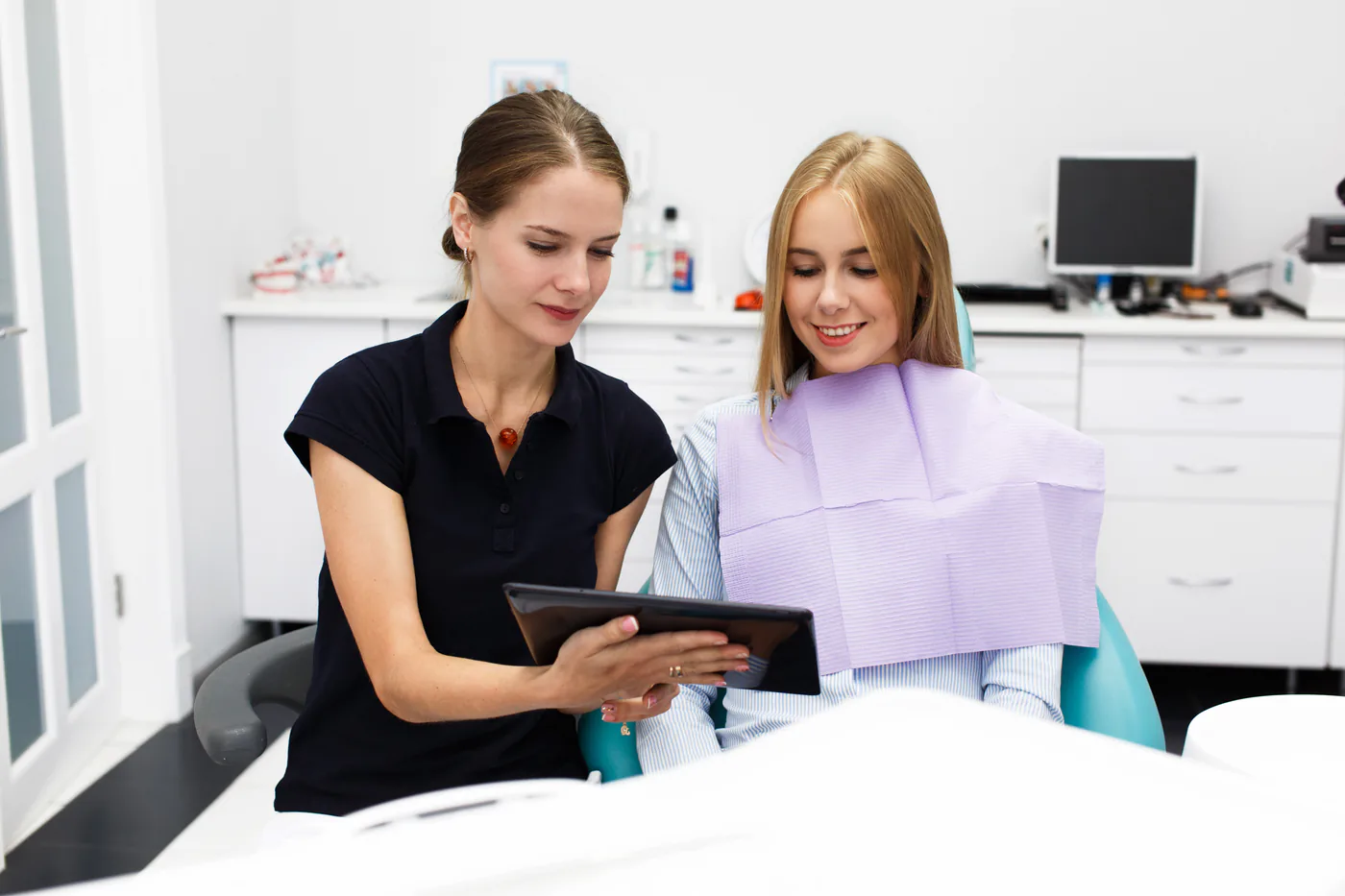
What your dentist finds at the appointment guides the next step, not the service name alone.
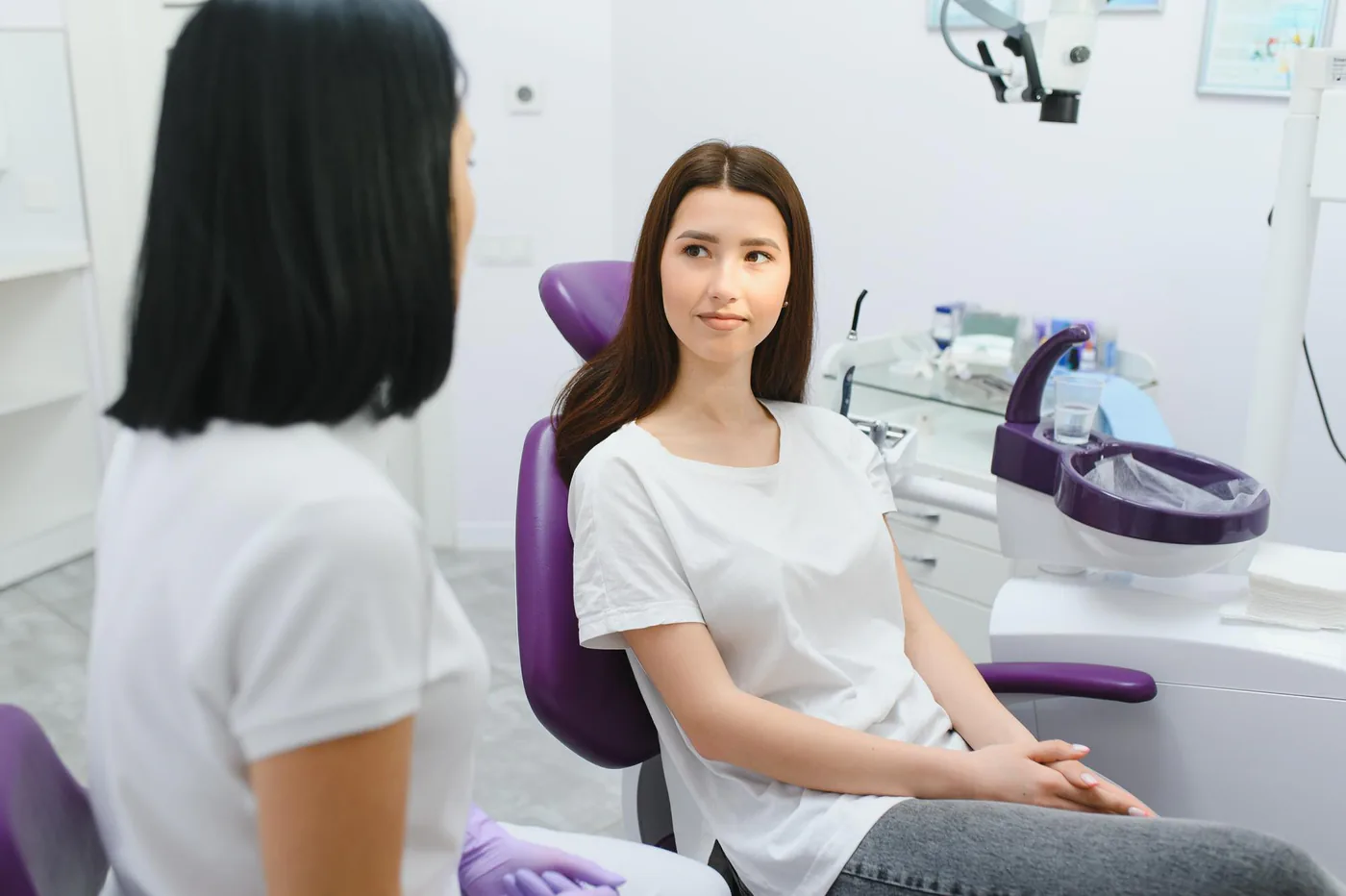
If sport brings knocks to the face in training or on game day, tell your dentist, because impact risk can guide guard design.
Children and teenagers may need fit checked as teeth change.
Crowns, fillings, braces or missing teeth can affect guard planning, so tell your dentist what dental work you have.
These are the details that can change the plan, how long it takes, what it costs or whether a different appointment would suit you better.
A custom mouthguard appointment checks the teeth, bite, sport type and any dental work before records are taken for a guard.
Scans or impressions may be used so the guard is made around your teeth, bite and dental work.
Contact level and training frequency can guide guard design, so tell your dentist what you play and how often.
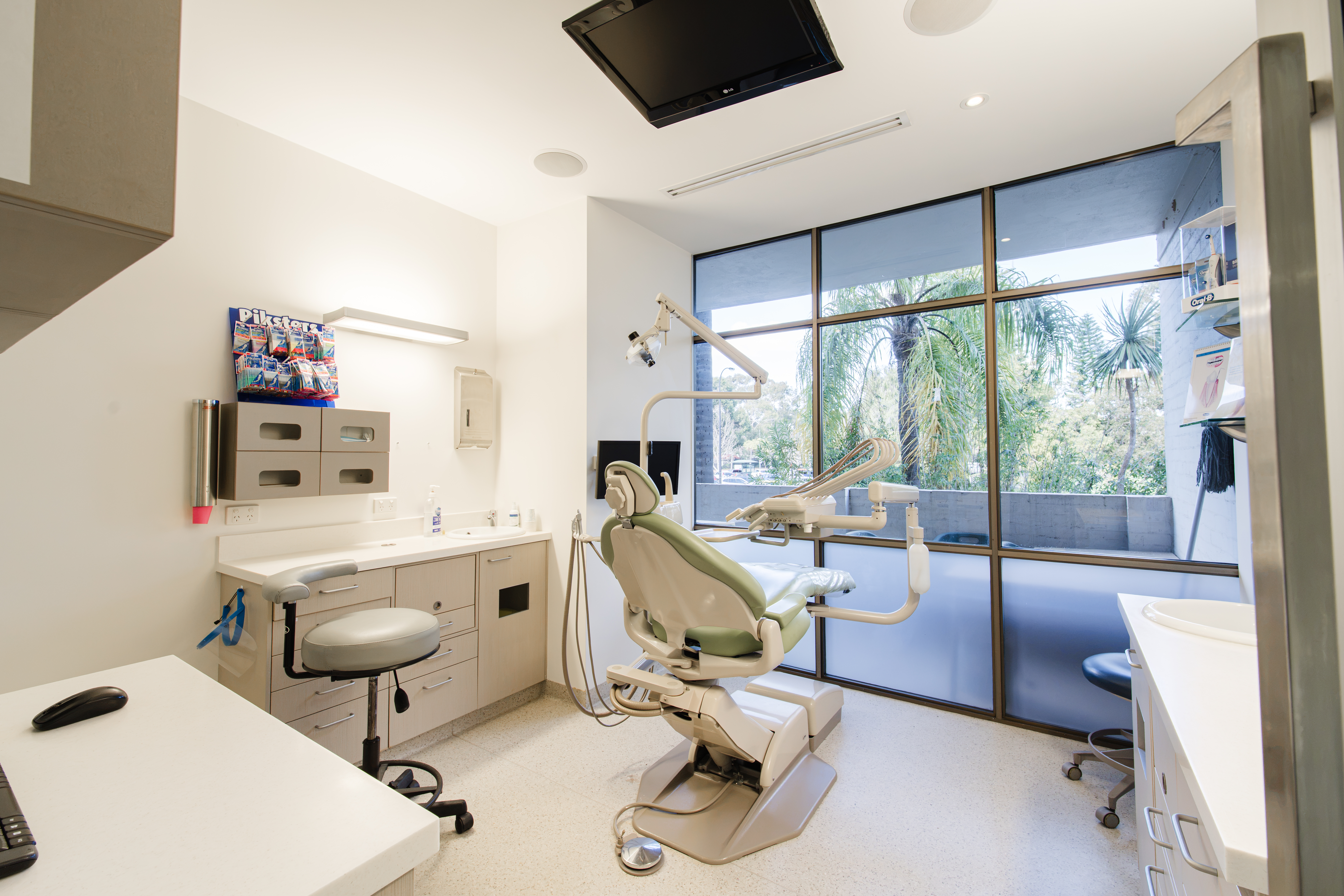
Not every visit needs the same records or timing. If your dentist recommends an extra check, you can ask what it is for.
Braces may change how a guard fits, and fit should be reviewed when braces change. Tell the team if you have them.
Crowns, fillings and missing teeth can affect guard planning, so your dentist checks any dental work you already have.
Fit should be reviewed when teeth, braces or dental work change.
A mouthguard appointment checks fit needs before records are taken. Sport type, braces, tooth changes and existing dental work all affect the design.
Tell the team about the sport, competition dates, braces, recent dental work and any previous guard that was hard to wear.
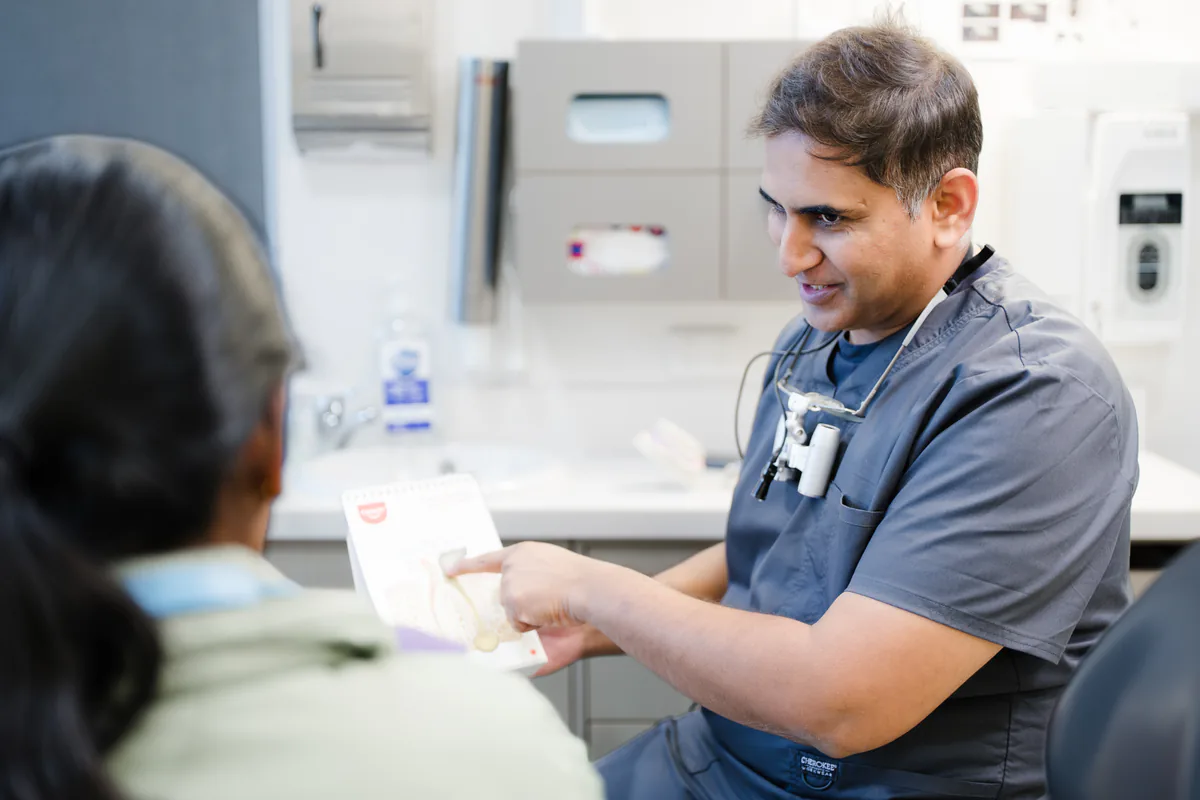
Step 01
The conversation focuses on protecting teeth during sport or impact-risk activities, including timing, triggers and the detail that made you book.
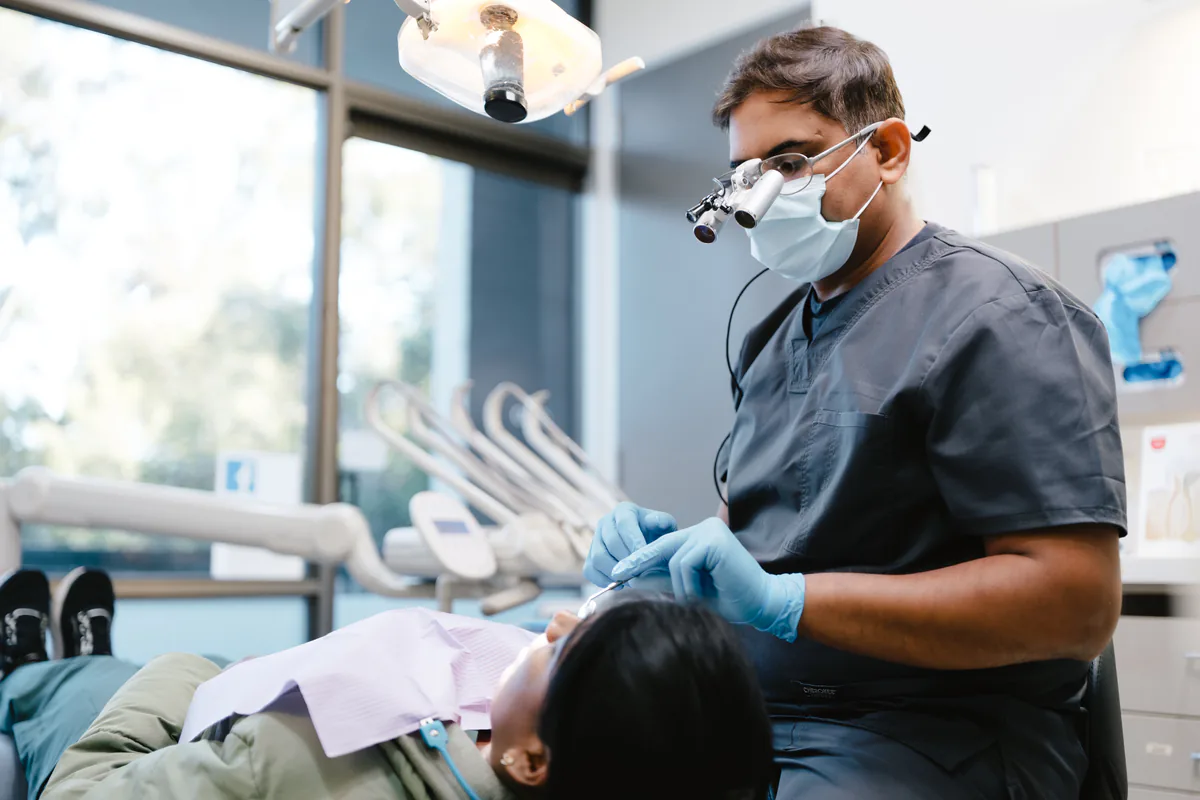
Step 02
Your dentist checks tooth position, bite, sport type and explains whether records would add useful information.
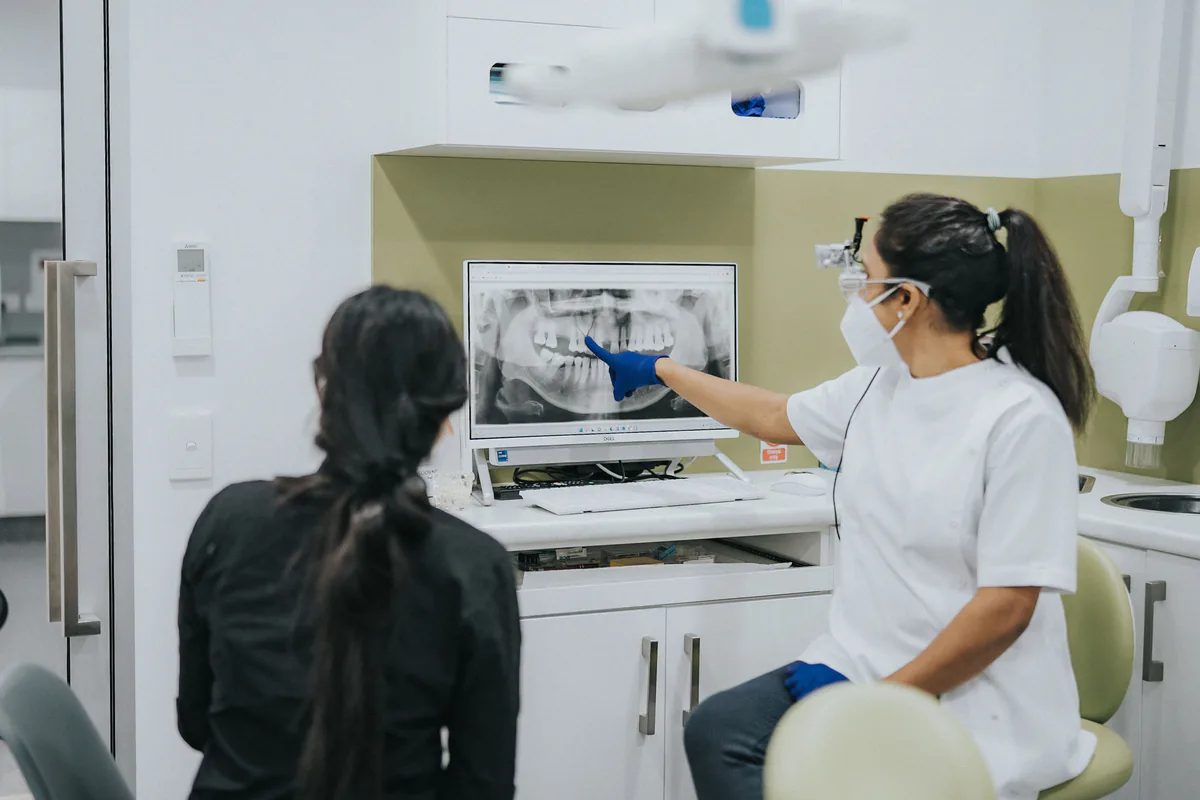
Step 03
The next step is discussed with fees, timing, limits and alternatives before care is planned.
A custom mouthguard is planned around the mouth it protects and the sport it is used for. Growing teeth, braces or recent dental work can change timing.
If you play contact sport, a guard made around your own teeth is worth discussing.
Children and teenagers may need fit checked as teeth change. Ask how fit will be reviewed.
Crowns, fillings, braces or missing teeth can affect guard planning. Tell your dentist about any dental work you have.
A guard that feels bulky or loose is less likely to be worn when it matters. If a previous guard was hard to wear, say so at the appointment, and ask how fit will be reviewed.
Fees vary with the records, the material, the design, replacement timing and health fund rules. Health fund rebates and payment-option suitability depend on your policy and provider terms.
Ask for the likely fee before treatment begins. The team can explain item numbers, possible extra costs and what you may pay out of pocket.
Records, whether scans or impressions.
The material and design of the guard.
Replacement timing, for example as teeth or braces change.
Your health fund rules and payment-provider terms.
A mouthguard should be easy enough to wear consistently and clean enough to use safely. Fit should be reviewed when teeth, braces or dental work change.
Bring the sport and season details
Training schedule, competition dates, contact level, braces and previous fit issues help the team plan timing and records.
Tell the team about the sport, season timing, braces, growing teeth and any dental work that needs protection.
Check the guard fits securely and ask how to store it between training and matches.
Book a review if teeth move, braces change, the guard feels loose or it becomes difficult to clean.
If you searched by symptom rather than by service name, these pages can help you choose the next step.
The team can redirect your appointment if checking your mouth shows that another general dentistry or urgent care service is a better fit.
Practical answers about custom mouthguards, assessment, records, suitability, costs, alternatives, aftercare and when to call first.
When you play contact sport, have braces or dental work to protect, or find a generic guard bulky or loose.
You can ask whether a custom guard is needed for your sport before deciding.
Book online for a planned custom mouthguard appointment. Call first if a tooth has been knocked, loosened or broken during sport.
Visit us
Level 1, Suite 4, 57 Labouchere Road, South Perth WA 6151
Call reception before you travel if access or parking could affect your visit.
South Perth clinic page11 Salix Way, Forrestfield WA 6058
Call reception before you travel if access or parking could affect your visit.
Forrestfield clinic pageShop 5, 35 Southwell Crescent, Hamilton Hill WA 6163
Call reception before you travel if access or parking could affect your visit.
Hamilton Hill clinic pageOpening hours
Monday - Friday 9:00AM - 6:00PM
Saturday: 9:00AM - 1:00PM
Sunday - Closed
Call to check the next available time.
Monday - Friday 9:00AM - 6:00PM
Saturday: 9:00AM - 1:00PM
Sunday - Closed
Call to check the next available time.
Monday - Friday 9:00AM - 6:00PM
Saturday: 9:00AM - 1:00PM
Sunday - Closed
Call to check the next available time.
Contact