When to ask about wisdom teeth removal
Pain, swelling, food trapping, repeated gum infection or pressure behind the back teeth may need assessment.

Pain behind the back teeth can flare suddenly, settle and then return around a partly erupted wisdom tooth. It is understandable to wonder whether each flare-up means the tooth has to come out.
The first appointment checks whether the wisdom tooth needs cleaning advice, monitoring, removal planning, urgent care or referral. You can ask what each option would involve before deciding anything.
Pain behind the back teeth? Gum inflammation, jaw opening and X-ray position are checked
Wondering how the tooth sits? An X-ray, where needed, may show its angle and roots
Not sure it has to come out? Ask what monitoring, removal or referral involve
Work, study or sport coming up? Ask about recovery before removal is planned















These details are a guide only. The team confirms the appointment type, fees, claiming context and clinical needs before treatment proceeds.
Pain, swelling, food trapping, repeated gum infection or pressure behind the back teeth may need assessment. Call first for swelling, fever, pus, limited mouth opening or trouble swallowing.
Pain, swelling, food trapping, repeated gum infection or pressure behind the back teeth may need assessment.
Checking gum inflammation, jaw opening, X-ray position and whether removal or referral is appropriate.
Fees vary with any X-rays, where the tooth sits, how complex removal is, whether a referral is needed and the follow-up. Ask for the likely cost, and for your health fund and payment-provider terms to be checked, before you agree to treatment.
Call first for swelling, fever, pus, limited mouth opening or trouble swallowing. Reception can help work out how soon you should be seen.
A partly erupted wisdom tooth may need a different plan from an impacted or deeply positioned tooth.
Pain behind the last tooth can come from inflamed gum, food trapping or infection around a partly erupted tooth. Tell your dentist how often it flares so they can check the gum.
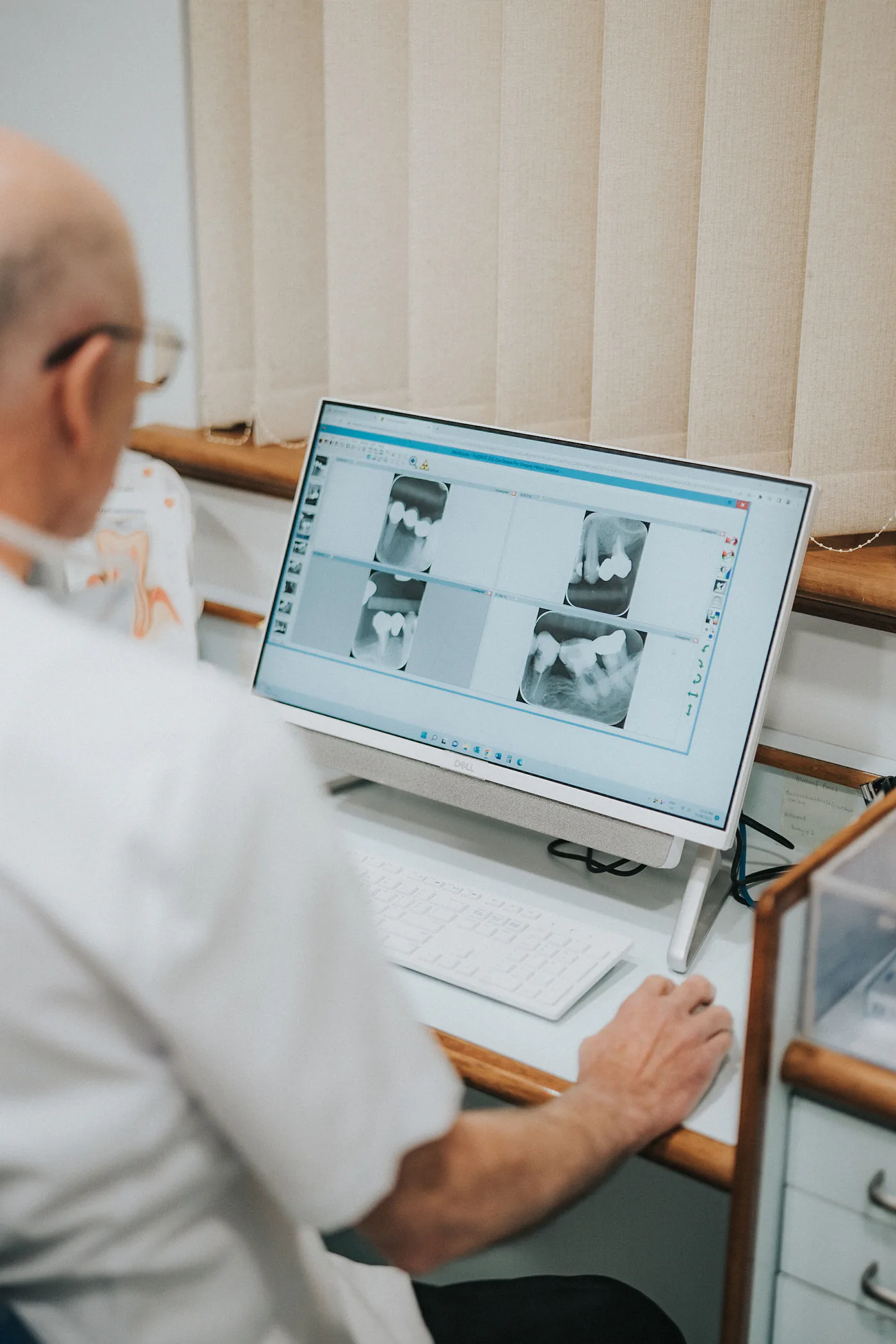
X-rays may help show tooth angle, root shape and nearby structures before removal is discussed.
Work, study, sport and travel timing can affect when planned removal makes sense.
What your dentist finds at the appointment guides the next step, not the service name alone.

Does the back gum keep getting sore? It can relate to food trapping or infection, so tell your dentist when it happens and whether there is swelling or pus.
X-rays may be needed to understand position, roots and nearby structures.
Work, study, sport or travel coming up? Mention the dates, because they can affect when removal is planned. Ask what recovery involves in your case.
These are the details that can change the plan, how long it takes, what it costs or whether a different appointment would suit you better.
A partly erupted wisdom tooth may need a different plan from an impacted or deeply positioned tooth, and can be hard to clean. Ask what your X-ray shows.
Soreness around the back gum can relate to food trapping or infection. Tell the team about any swelling or pus, because infection can affect the appointment sequence.
Limited mouth opening is one of the signs to call about. Tell the team if it is hard to open, along with any swelling or pus.
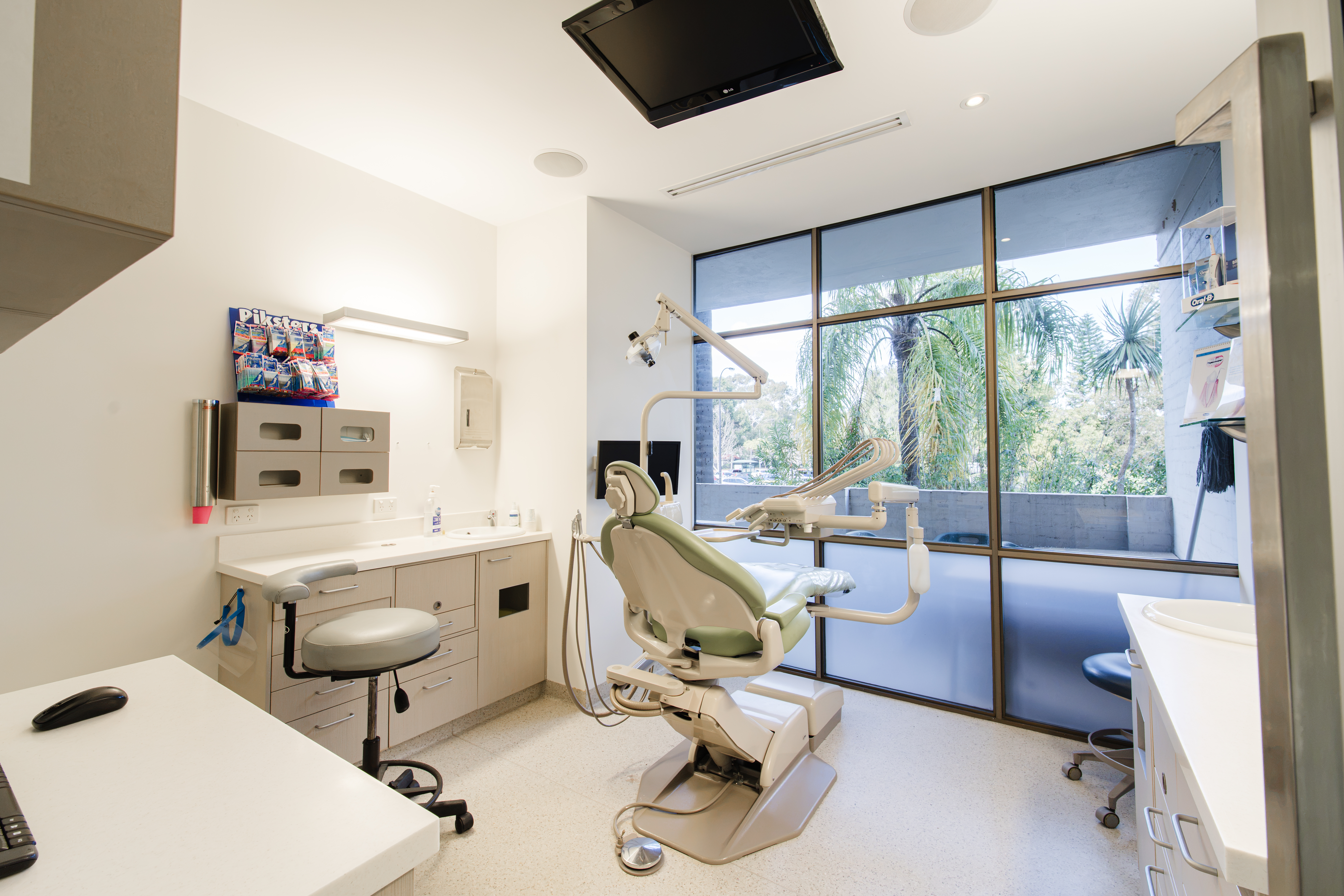
Not every visit needs the same records or timing. If your dentist recommends an extra check, you can ask what it is for.
A wisdom tooth can affect nearby gums and teeth. Tell your dentist what you notice around the tooth.
Ask what your X-ray shows about the root shape. An X-ray, where needed, may help show how the roots sit before removal is discussed.
Nerve proximity can affect the appointment sequence. Ask what the X-ray shows about your tooth.
Wisdom tooth planning depends on position, gum infection, jaw opening and X-ray findings. The visit should clarify whether monitoring, cleaning advice, removal or referral is the better pathway.
Tell the team about swelling, pus, limited opening, previous infections, medicines, upcoming travel and recovery timing.
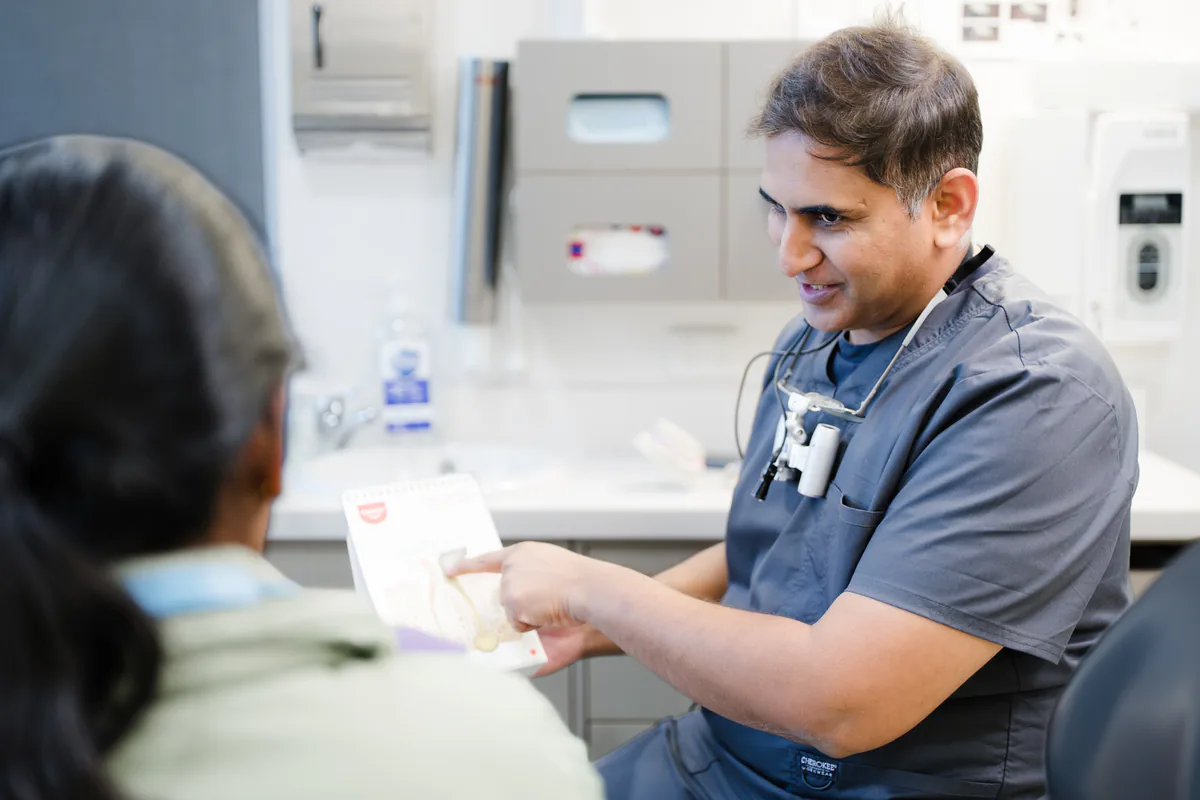
Step 01
The conversation focuses on wisdom tooth pain, infection, pressure or cleaning difficulty, including timing, triggers and the detail that made you book.

Step 02
Your dentist checks tooth position, gum infection, jaw opening and explains whether records would add useful information.
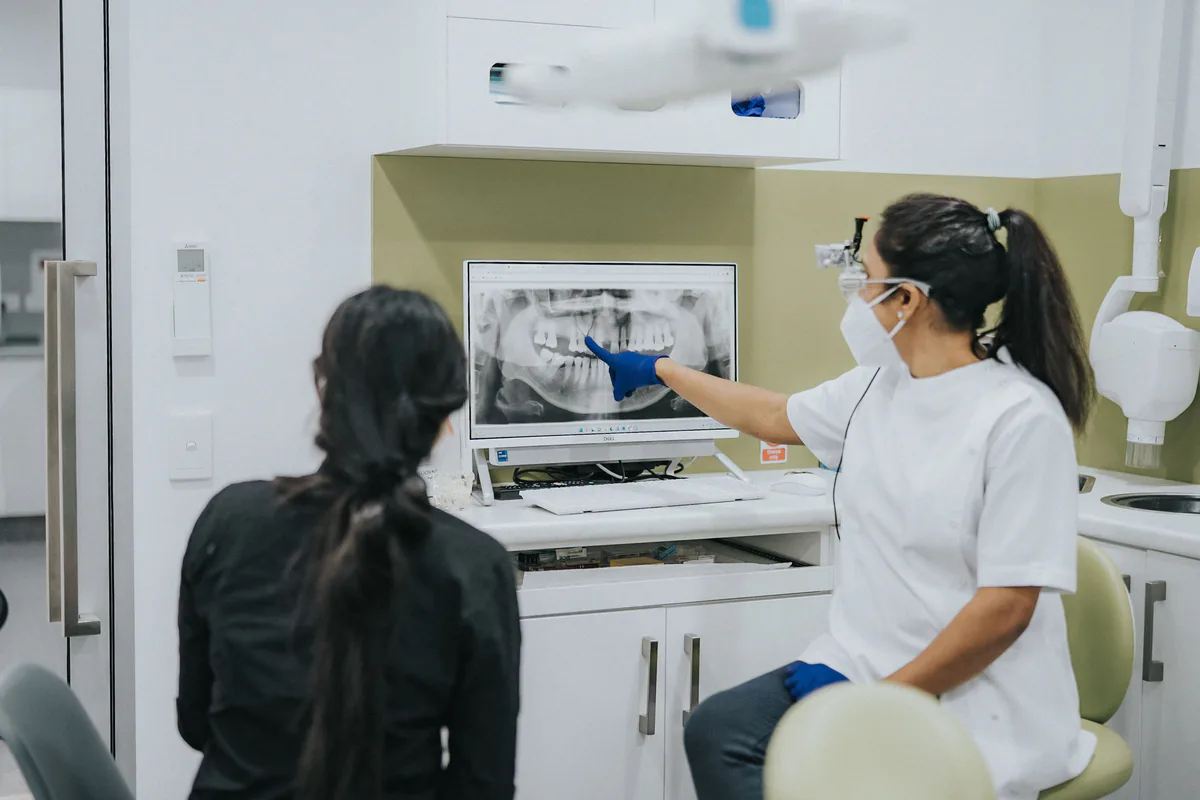
Step 03
The next step is discussed with fees, timing, limits and alternatives before care is planned.
Wisdom tooth symptoms can come from gum infection, decay, food trapping, bite pressure or nearby teeth. Assessment helps separate a flare-up from a removal decision.
A tooth that has only partly come through can be hard to clean, and pain behind it can come from inflamed gum, food trapping or infection. Tell your dentist how often it happens.
If the same gum keeps getting infected, tell your dentist. They can talk through cleaning advice, monitoring, removal planning or referral.
Food trapping behind the last tooth can relate to repeated soreness in the back gum. Tell the team how often it happens.
If you feel pressure at the back, an X-ray, where needed, may help explain position, roots and nearby structures.
Fees vary with any X-rays, where the tooth sits, how complex removal is, whether a referral is needed and the follow-up. Health fund rebates and payment-option suitability depend on your policy and provider terms.
Ask for the likely fee before treatment begins. The team can explain item numbers, possible extra costs and what you may pay out of pocket.
Whether X-rays are needed to check tooth position.
Tooth position and how complex removal is.
Whether a referral is needed, and any follow-up.
Your health fund policy limits, item numbers and payment-provider terms.
Wisdom tooth aftercare can involve swelling, eating changes, cleaning instructions and warning signs. Those details should be explained before removal is planned.
Tell us how the flare-up behaves
Jaw stiffness, fever, bad taste, repeated infections and trouble cleaning behind the last tooth can all affect appointment timing.
Mention swelling, bad taste, limited opening, previous infections and any travel or sport dates coming up.
Ask what the X-ray shows, whether referral is needed and what recovery instructions apply to your case.
Follow eating, cleaning and activity guidance, and call if pain, swelling, fever or bad taste worsens.
If you searched by symptom rather than by service name, these pages can help you choose the next step.
The team can redirect your appointment if checking your mouth shows that another general dentistry or urgent care service is a better fit.
Practical answers about wisdom teeth removal, assessment, records, suitability, costs, alternatives, aftercare and when to call first.
It comes up when wisdom teeth are painful, partly erupted, hard to clean or affecting nearby gums and teeth. Your dentist starts with an assessment, because the right next step depends on what they find.
The first visit is there to work out what is happening, not to rush you into a decision.
Book online for planned wisdom tooth assessment. Call first for swelling, fever, limited mouth opening, pus, severe pain or trouble swallowing.
Visit us
Level 1, Suite 4, 57 Labouchere Road, South Perth WA 6151
Call reception before you travel if access or parking could affect your visit.
South Perth clinic page11 Salix Way, Forrestfield WA 6058
Call reception before you travel if access or parking could affect your visit.
Forrestfield clinic pageShop 5, 35 Southwell Crescent, Hamilton Hill WA 6163
Call reception before you travel if access or parking could affect your visit.
Hamilton Hill clinic pageOpening hours
Monday - Friday 9:00AM - 6:00PM
Saturday: 9:00AM - 1:00PM
Sunday - Closed
Call to check the next available time.
Monday - Friday 9:00AM - 6:00PM
Saturday: 9:00AM - 1:00PM
Sunday - Closed
Call to check the next available time.
Monday - Friday 9:00AM - 6:00PM
Saturday: 9:00AM - 1:00PM
Sunday - Closed
Call to check the next available time.
Contact