When to ask about dental crowns
A tooth is cracked, heavily filled, root canal-treated, worn or no longer has enough reliable structure for a simple repair.

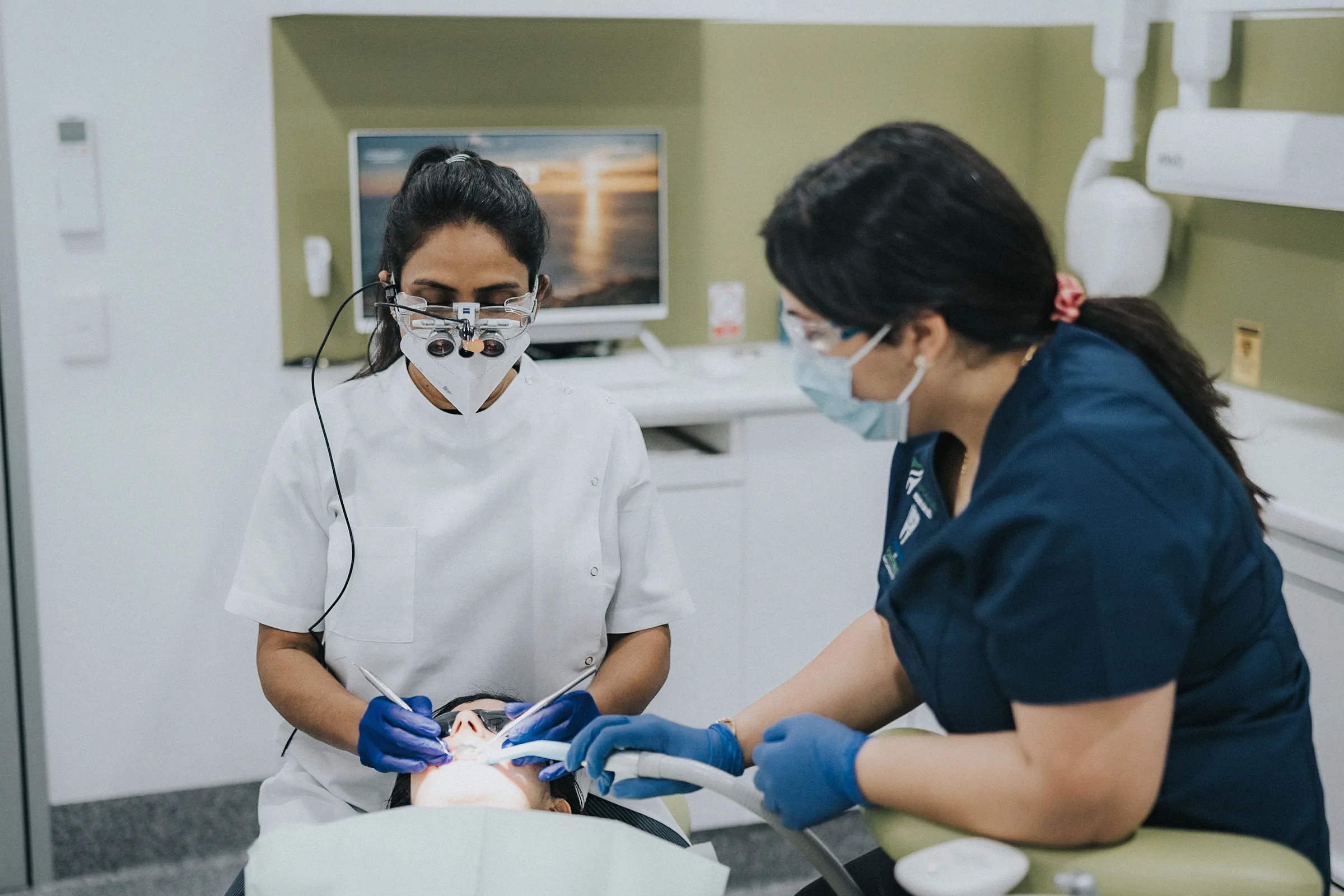
You may be looking at crowns because a tooth has cracked or broken, a large filling no longer feels dependable or someone has mentioned a crown and you are not sure what that involves.
At the first visit your dentist checks how much natural tooth is left and how you bite, then explains whether a crown, filling, onlay, extraction or monitoring makes sense. You can ask questions and consider the plan before deciding, and fees are explained before planned treatment begins.
Checking how much tooth is left to hold a crown
Tell us if you grind or clench; your bite is checked
Ask which crown materials could suit your tooth
Ask how to clean and check around a crown edge















Use these details to decide whether to book online or call first. Fees, health fund claiming and any treatment needs are confirmed after your dentist checks what is involved.
A tooth is cracked, heavily filled, root canal-treated, worn or no longer has enough reliable structure for a simple repair.
A tooth is cracked, heavily filled, root canal-treated, worn or no longer has enough reliable structure for a simple repair.
Tooth structure, cracks, existing fillings, gum health, bite forces, X-rays where useful and whether the tooth is restorable.
A crown fee follows what your tooth needs: records, material, laboratory work, temporary stages and any repair first. Ask for the likely fee before you decide. Ask what is included before you agree to go ahead.
Call first for swelling, severe pain, trauma, a broken tooth edge cutting your mouth or a crown that has come off suddenly.
If a filling no longer feels like enough for a tooth, a crown may be one option. Your dentist will want to look at the tooth and your bite before suggesting it.
Your dentist checks how much tooth is left and whether cracks, decay or old fillings change the plan.
If you grind or clench, or a tooth often feels sore when you bite, tell your dentist. Bite forces can shape how a crown is designed and how it is checked over time.
Material, shade, margins, temporary stages and review timing are discussed before treatment proceeds.

The appointment helps decide whether a crown may help protect the remaining tooth structure, whether another repair is enough or whether a different option is needed.

A visible crack, broken corner or sharp edge may need assessment before it worsens or changes chewing.
A big old filling can leave little natural tooth around it. Your dentist checks how much is left to decide whether another filling would hold or a crown is worth discussing.
Some root canal-treated teeth need stronger coverage, depending on tooth type and remaining structure.
Two cracked teeth can need quite different plans. Your dentist weighs how much tooth is left, your bite, your gums and whether the tooth is restorable.
Your dentist checks how much natural tooth is left and whether it is strong enough to hold a crown. Ask what they found and what it means for your options.
Tell your dentist if a crack catches your tongue or biting hurts. They check the crack, any decay and the old fillings, because these decide whether a crown, another filling or monitoring is the better choice.
Grinding, clenching or heavy contact with the opposing tooth can influence the crown material and how often it is reviewed. Mention these habits so your dentist can plan for them.
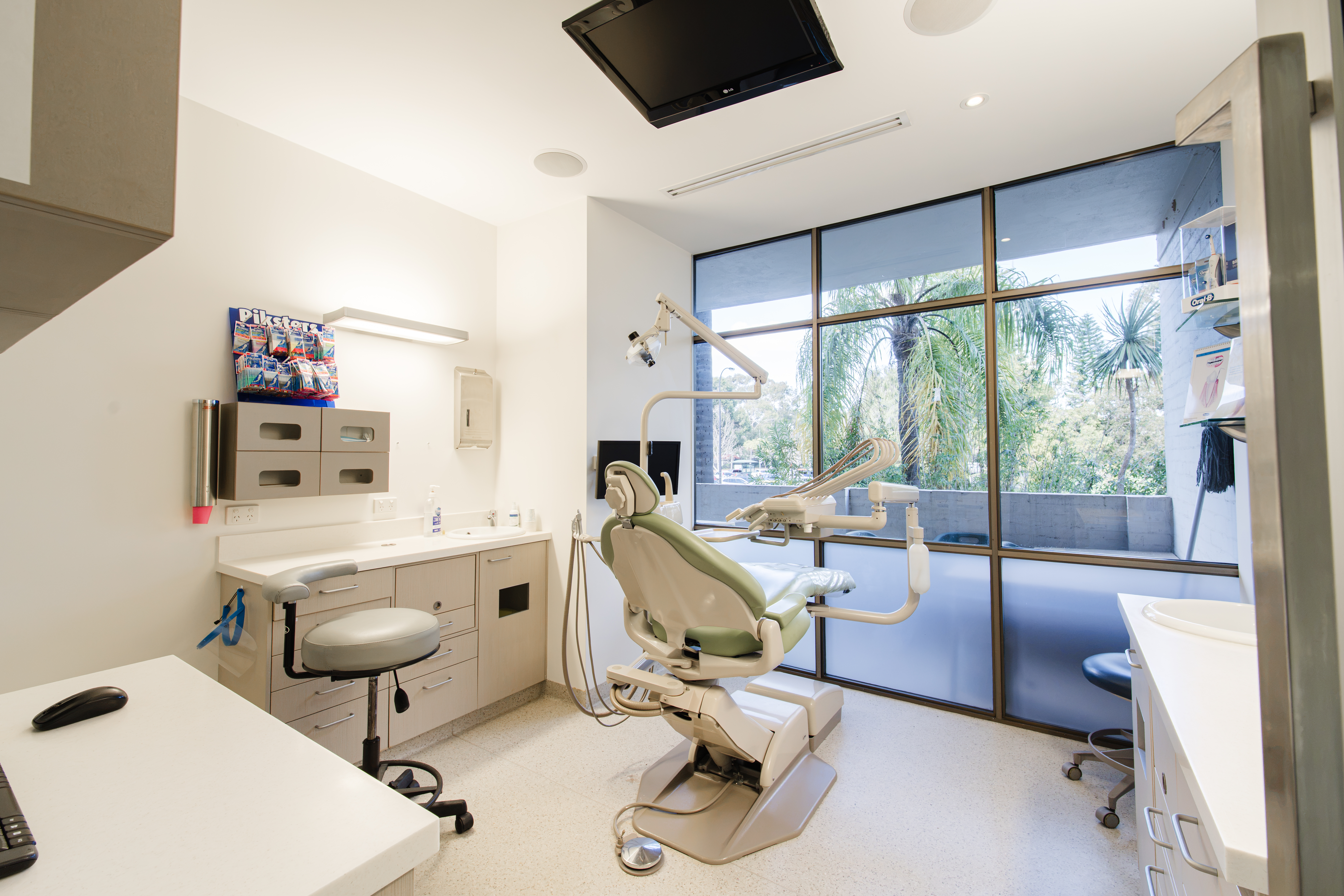
Not every crown assessment needs the same records or stages. Your dentist can explain what applies to your tooth.
Your dentist checks the gum around the tooth and whether you can clean right up to the crown edge. Ask how to look after that edge, because gum health and cleaning access affect it.
Shade, tooth position and material choices can be discussed after assessment.
A crown is not the only route. Your dentist can explain how a filling, onlay, root canal therapy, extraction or monitoring compares, and why one may be a better starting point for this tooth.
Your dentist checks whether the tooth is suitable, explains the likely stages and confirms fees before planned crown care begins.
Tell the team if the tooth hurts when biting, has cracked before, has had root canal therapy or if you grind your teeth.

Step 01
The tooth, gum, bite and older fillings are checked, with X-rays or photos discussed where useful.
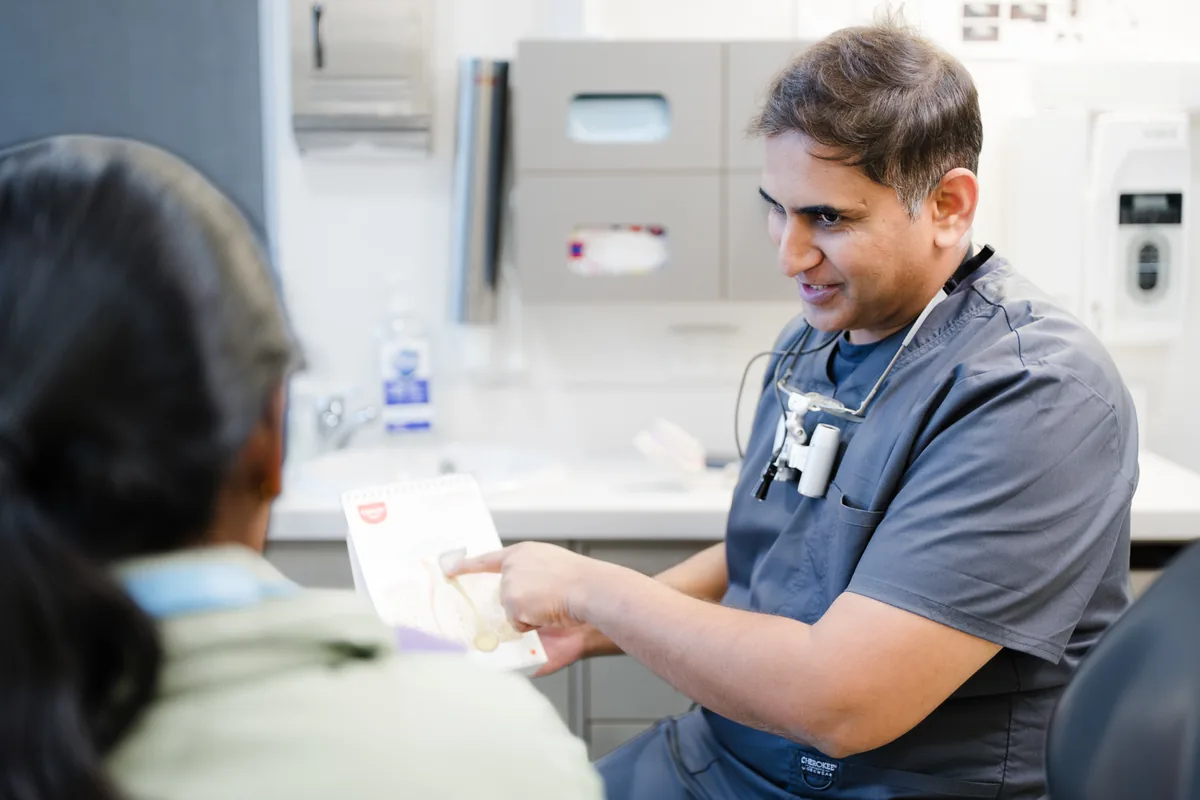
Step 02
Your dentist explains whether a crown is suitable and what preparation, material or temporary stage may be needed.
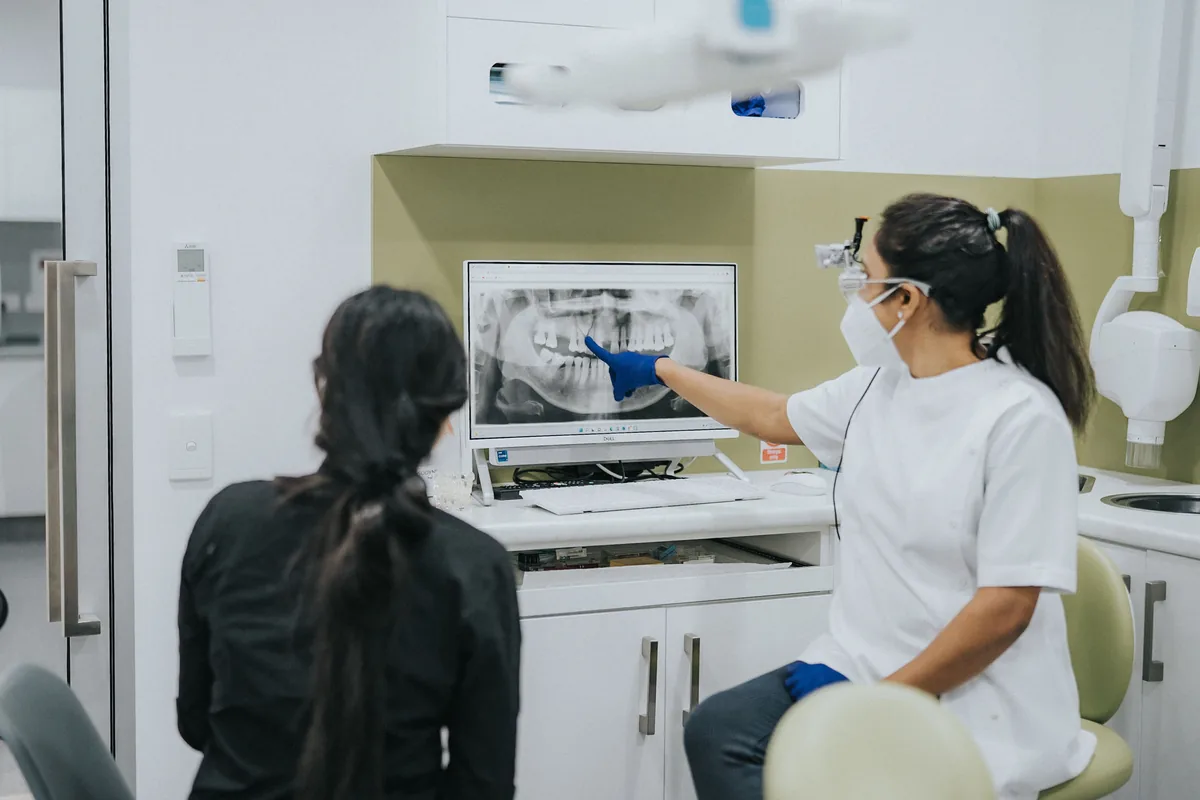
Step 03
After fitting, cleaning, bite checks and review timing help monitor the crown and the tooth underneath.
These reasons do not automatically mean a crown is required. The tooth needs assessment first.
Is the filling bigger than the tooth around it? A large filling may leave too little tooth to hold another simple repair, so your dentist checks whether a crown is worth discussing.
Crack pattern and symptoms affect whether coverage, monitoring or another option is suitable.
Some teeth need stronger coverage after nerve treatment to reduce fracture risk.
If a tooth looks worn down or has started to feel weak, bite forces may be part of the reason. Your dentist checks the wear and whether the tooth needs broader protection than a filling.
Fees can change with records, preparation, materials, laboratory work, temporary stages and any treatment needed first.
The team can explain likely crown fees, possible separate costs, health fund claiming and payment options before treatment begins.
X-rays, scans, photos or diagnostic records.
Tooth condition, cracks, decay or previous root canal therapy.
Material choice, laboratory work and temporary stages.
Health fund policy limits, item numbers and payment-provider terms.
A crown protects a tooth but does not make it immune to decay, gum problems, bite forces or future repair needs.
Bring the tooth history with you
Past root canal therapy, repeated fillings, biting pain, grinding signs and recent cracks help shape crown planning.
Mention biting pain, sensitivity, grinding, previous root canal therapy and how long the tooth has felt weak.
Temporary crowns or prepared teeth need careful eating and cleaning instructions if treatment is staged.
Clean around the crown edge and return for review if biting feels high, sore or different.
If your search started with breakage, biting pain or older dental work, these links may help you choose what to ask about next.
If assessment points to a different need, we can explain why filling repair, root canal therapy, extraction or another service may be a better starting point.
Questions to ask before a crown: what the assessment involves, what else could be done for the tooth, how fees work and when to call first.
A crown comes up when a tooth no longer has enough reliable structure for a simple repair.
If you are not sure whether your tooth fits any of these, describe what you have noticed when you book and the team can suggest the right appointment.
Book online for planned crown assessment. Call first for swelling, severe pain, trauma or a crown or tooth that has broken suddenly.
Visit us
Level 1, Suite 4, 57 Labouchere Road, South Perth WA 6151
Call reception before you travel if access or parking could affect your visit.
South Perth clinic page11 Salix Way, Forrestfield WA 6058
Call reception before you travel if access or parking could affect your visit.
Forrestfield clinic pageShop 5, 35 Southwell Crescent, Hamilton Hill WA 6163
Call reception before you travel if access or parking could affect your visit.
Hamilton Hill clinic pageOpening hours
Monday - Friday 9:00AM - 6:00PM
Saturday: 9:00AM - 1:00PM
Sunday - Closed
Call to check the next available time.
Monday - Friday 9:00AM - 6:00PM
Saturday: 9:00AM - 1:00PM
Sunday - Closed
Call to check the next available time.
Monday - Friday 9:00AM - 6:00PM
Saturday: 9:00AM - 1:00PM
Sunday - Closed
Call to check the next available time.
Contact