When removal may be raised
A tooth is broken, infected, loose, painful or may not have enough structure left to restore.

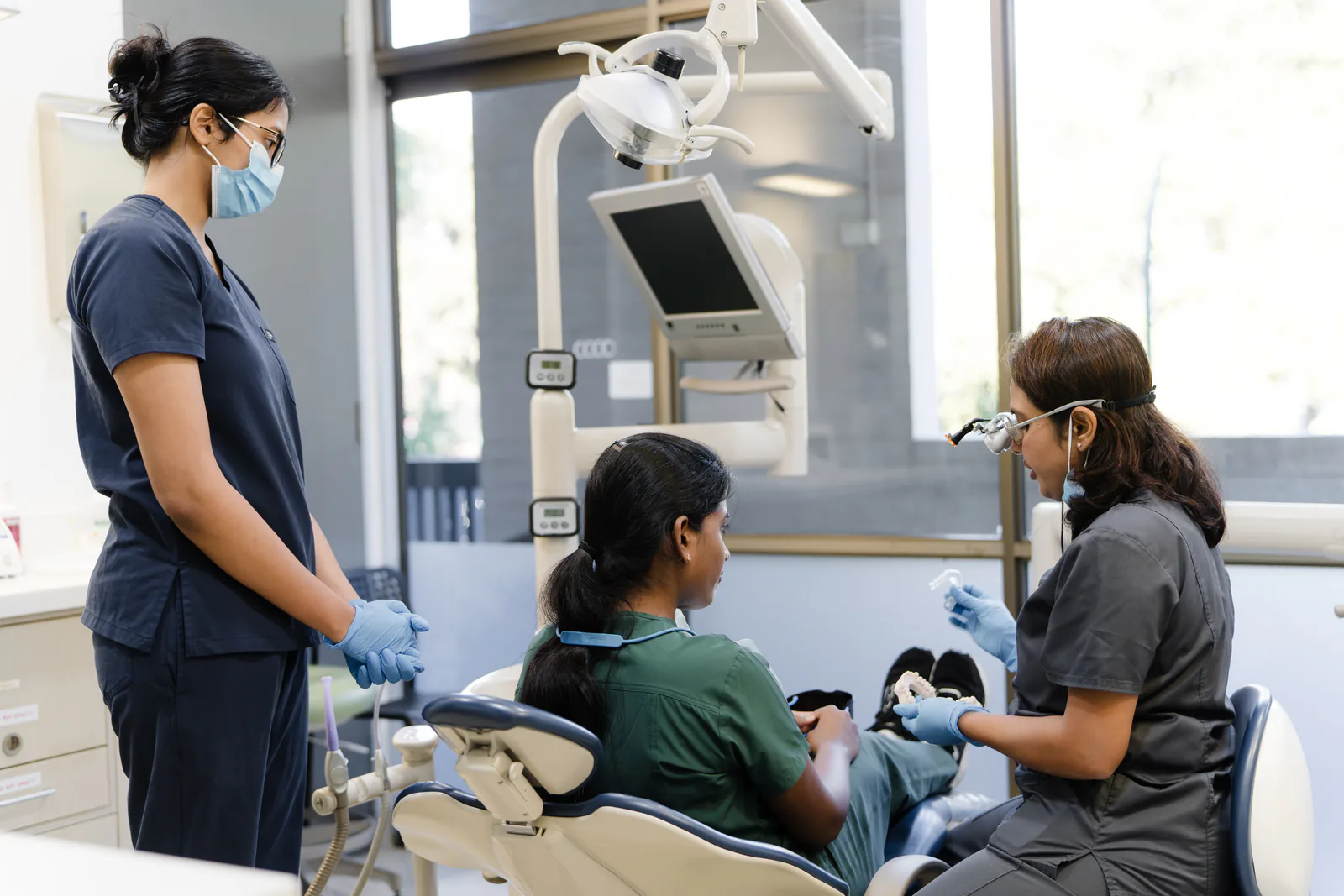
A tooth that hurts, has broken or feels loose can make removal the first thing you think of, or the thing a previous dentist mentioned. These reasons do not automatically mean extraction is required.
At the first appointment your dentist checks whether the tooth can be saved, what risks or medical factors matter and what would happen afterwards. You can ask questions at any point, and a useful assessment should make the choices clearer, including the option of not proceeding straight away.
Where an X-ray is needed, you can ask what it shows about the roots
Wondering if the tooth can be saved? Repair and other options can be compared
Wondering about healing? Aftercare covers bleeding, eating, cleaning and warning signs
Call first for swelling















These details are a guide only. The team confirms appointment type, fees, claiming context and clinical needs before treatment proceeds.
Book online for a planned extraction assessment. Call first for swelling, fever, trauma, uncontrolled bleeding or severe worsening pain.
A tooth is broken, infected, loose, painful or may not have enough structure left to restore.
Confirming the reason for removal, checking X-rays where needed, and comparing options before treatment.
Costs can vary with where the tooth sits, how complex removal is, any records and follow-up, and your health fund rules. Ask for the likely cost before you agree.
Swelling, fever, trauma, heavy bleeding or rapidly worsening pain could affect timing. Reception can help work out how soon you should be seen.
Your dentist needs to understand the tooth, the gum, the root shape, your health history and whether another option is worth discussing.
Whether the tooth should be removed, repaired, monitored, treated with root canal therapy or reviewed by another provider.
Your dentist needs to understand root shape, any infection signs, your medicines and your medical history.
Bleeding control, healing, cleaning, review timing and whether the missing tooth needs replacement.
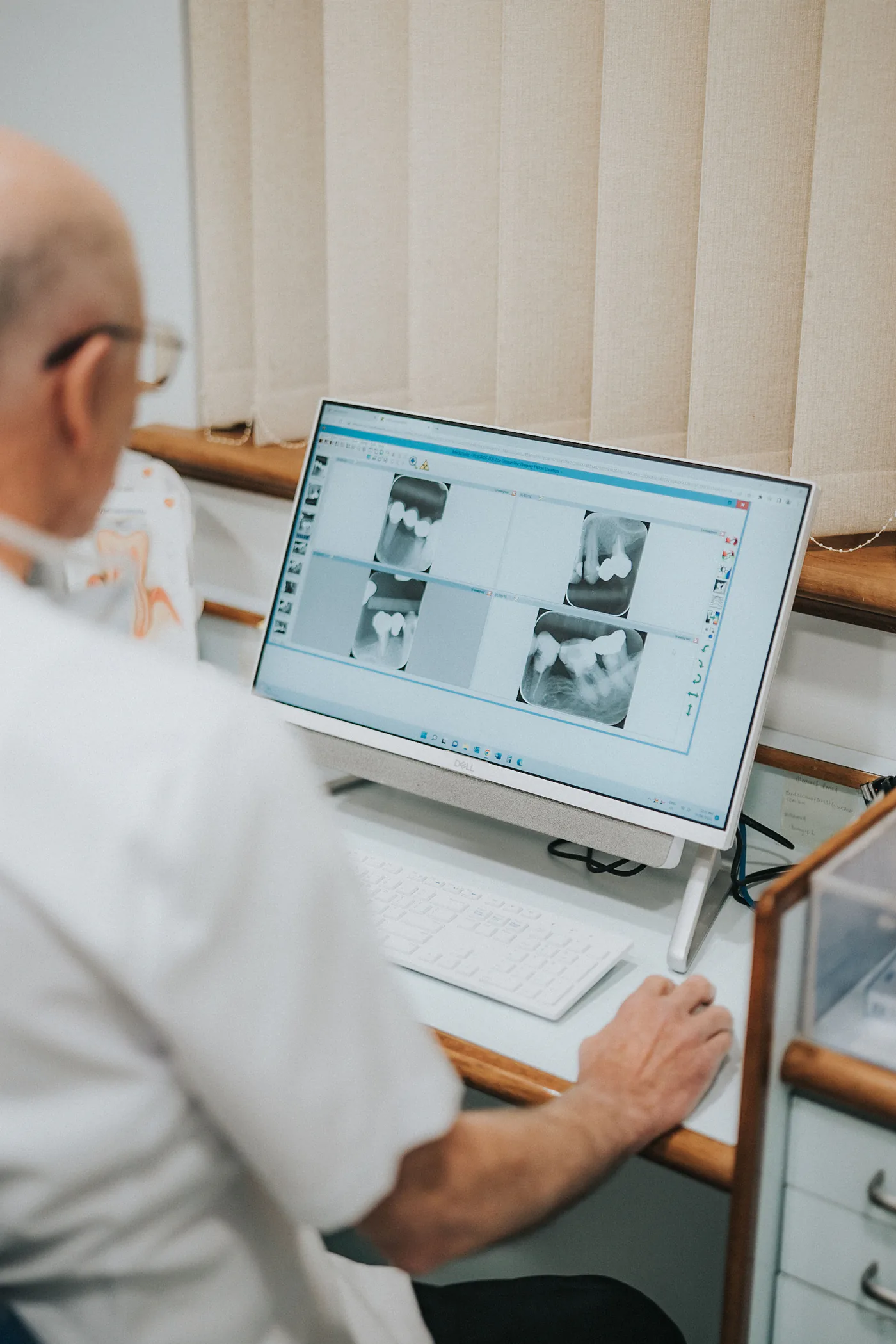
A tooth can feel urgent, but removal still needs a careful explanation unless emergency timing changes the pathway.
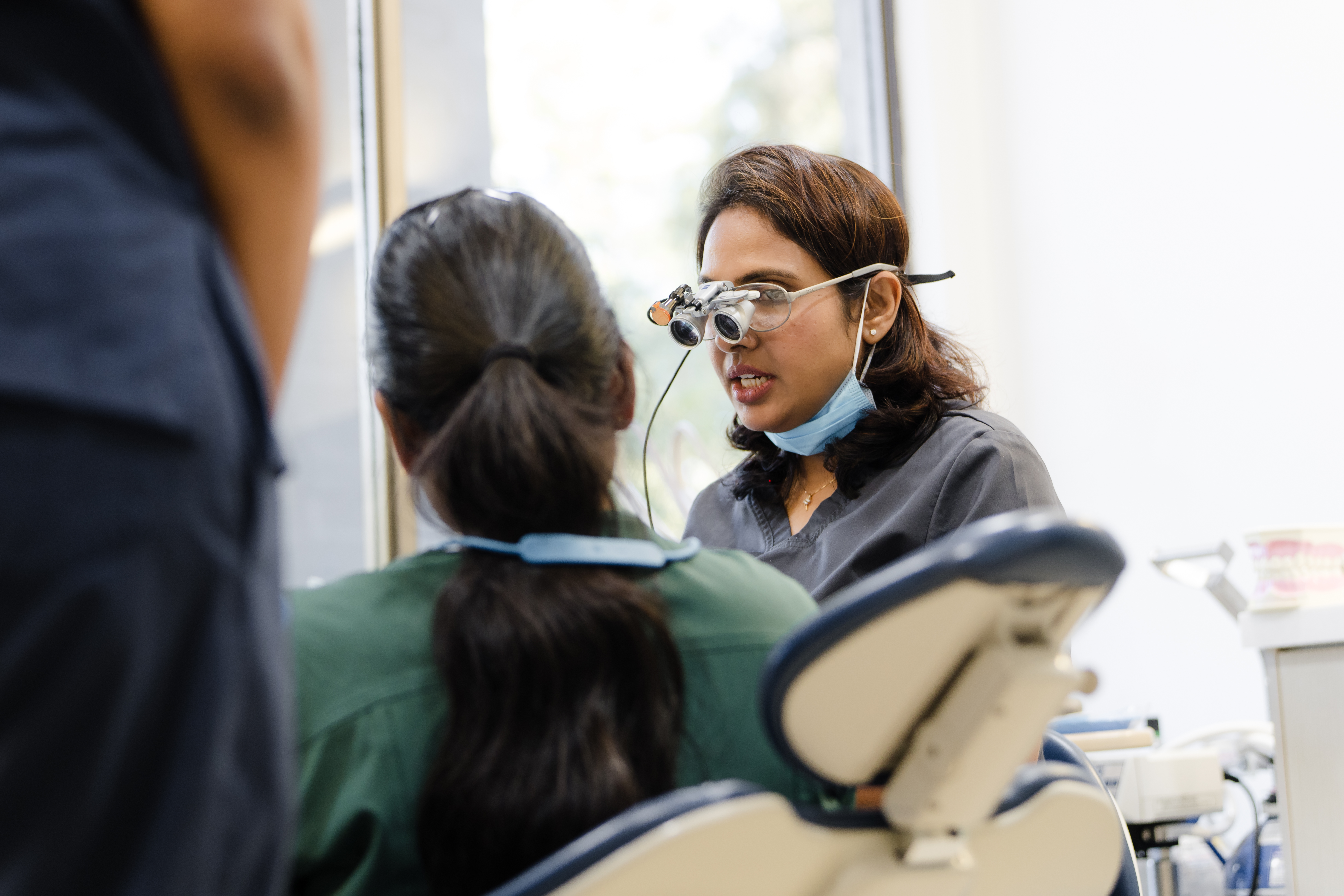
The tooth has cracked, lost structure, or may not hold a reliable filling or crown.
Pain, swelling, gum infection or mobility means the area needs prompt assessment.
Removal may be part of orthodontic, denture, implant, wisdom tooth or broader restorative planning. You can ask why it is recommended and what it means for the rest of the plan.
The assessment helps decide whether removal is appropriate and what risks, alternatives or follow-up steps need discussion.
Your dentist considers how much tooth is left, whether it is cracked and whether repair is realistic.
An X-ray, where needed, may show root shape, surrounding bone and nearby structures. You can ask what it shows.
If your gum is swollen, tender or has pus, call first so reception can help work out how soon you should be seen. Infection and gum pockets can affect timing and aftercare.
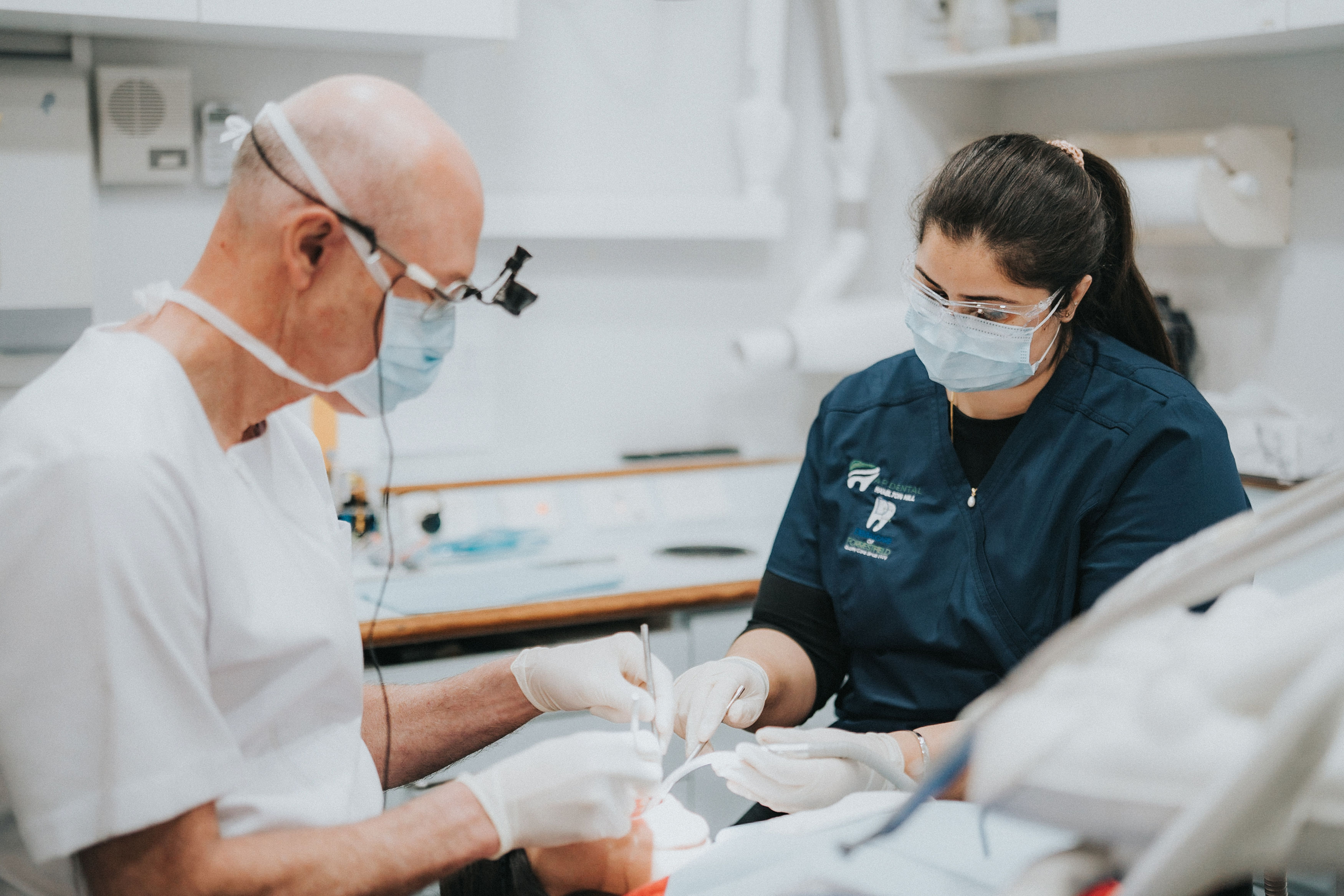
Not every extraction needs the same records or timing. Your dentist will explain why X-rays, referral, review or replacement planning may be recommended for your situation.
Medicines, bleeding risk, health conditions and allergies can affect treatment planning, so tell the team about them.
A gap may affect chewing, bite or appearance, so replacement options may be discussed. You can ask questions before deciding anything.
Repair, root canal therapy, gum treatment, referral or monitoring may need comparison. You can ask to see the choices side by side.
The appointment confirms the problem first. If removal is suitable, your dentist can explain treatment steps, aftercare and what could change the plan.
Tell the team about medicines, bleeding conditions, anxiety, swelling, recent antibiotics, previous extractions or a replacement-tooth question.
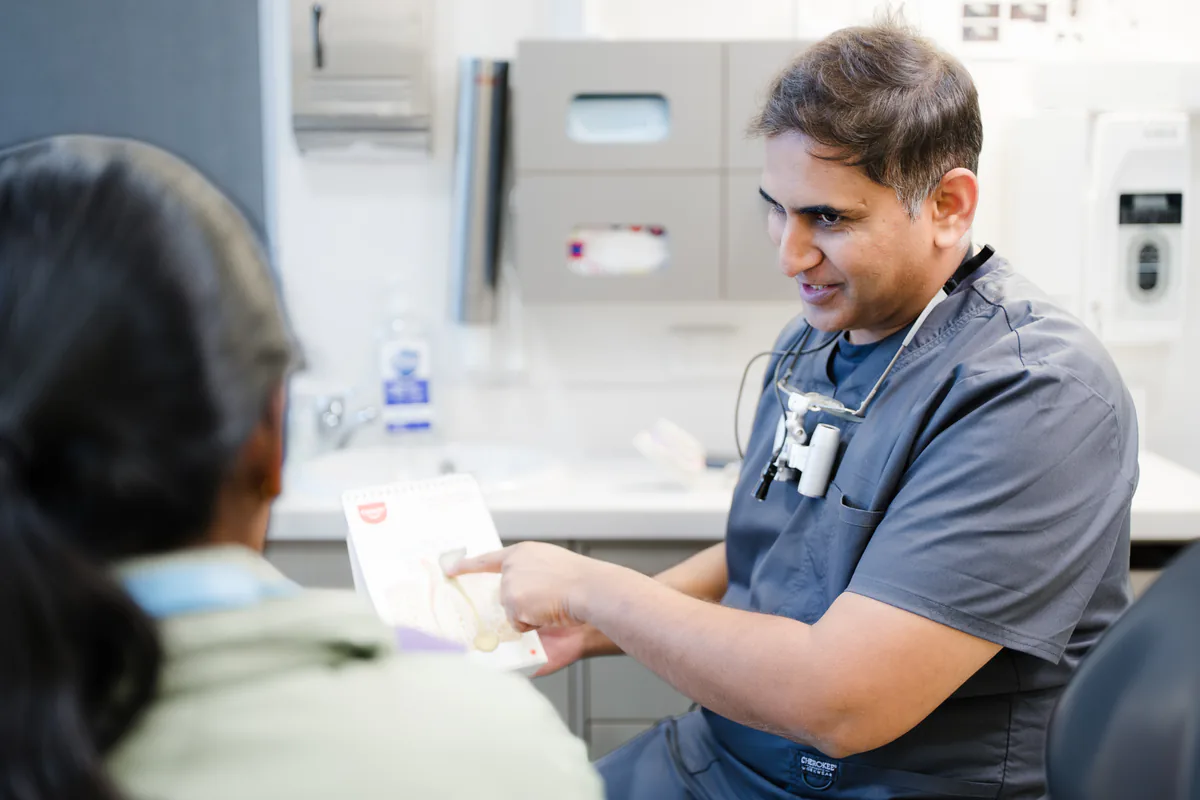
Step 01
Describe pain, swelling, damage, timing and what has already been tried.

Step 02
Your dentist looks at how much tooth is left, whether it is cracked and the gum around it. They may discuss an X-ray or referral, and you can ask why.

Step 03
You can review removal, alternatives, fees, aftercare and replacement choices before deciding.
These reasons do not automatically mean extraction is required. The tooth and surrounding area need assessment first.
A tooth with limited structure may need removal if repair is not reliable.
If you have had swelling, an abscess or an infection that keeps coming back, say so when you book. It may change the timing and the treatment choices your dentist discusses.
Mobility can relate to gum disease, trauma or other causes that need diagnosis.
Some extractions are planned before orthodontic, denture, implant or restorative care. You can ask why a planned extraction is part of your plan.
Fees vary with tooth position, records, difficulty, appointment type and whether review or replacement planning is needed.
The team can explain likely fees, health fund claiming and payment-option context before treatment begins.
Whether X-rays, photos, review appointments or referral are needed.
Tooth position, root shape, infection, gum condition and removal complexity.
Aftercare, review timing and possible replacement-tooth planning.
Health fund policy limits, item numbers and payment-provider eligibility.
Extraction aftercare matters. Understanding bleeding control, cleaning, eating and warning signs helps the first few days feel more manageable.
Tell us what may affect healing
Medicines, smoking, diabetes, bleeding conditions, infection symptoms and previous dry socket can all affect extraction planning.
Bring medicine details, health fund information and any recent X-rays if you have them.
Follow the instructions for pressure, eating, brushing and avoiding disturbance of the healing area.
Call if bleeding, swelling, fever, bad taste or pain is worsening beyond what was explained.
If your search started with pain, swelling, a broken tooth or a previous treatment plan, these pages can help you choose the most relevant next step.
The team can redirect your appointment if checking your mouth shows that root canal therapy, wisdom tooth care, urgent care or another general dentistry service is more appropriate than extraction.
Practical answers about assessment, X-rays, alternatives, costs, aftercare, healing, replacement choices and when to call first.
It comes up when a tooth may not be restorable, is painful, broken, loose or affecting nearby teeth. Your dentist starts with an assessment, because the right next step depends on what they find.
The first visit is there to work out what is happening, not to rush you into a decision.
Book online for a planned assessment. Call first if swelling, fever, trauma, heavy bleeding or severe pain may affect timing.
Visit us
Level 1, Suite 4, 57 Labouchere Road, South Perth WA 6151
Call reception before you travel if access or parking could affect your visit.
South Perth clinic page11 Salix Way, Forrestfield WA 6058
Call reception before you travel if access or parking could affect your visit.
Forrestfield clinic pageShop 5, 35 Southwell Crescent, Hamilton Hill WA 6163
Call reception before you travel if access or parking could affect your visit.
Hamilton Hill clinic pageOpening hours
Monday - Friday 9:00AM - 6:00PM
Saturday: 9:00AM - 1:00PM
Sunday - Closed
Call to check the next available time.
Monday - Friday 9:00AM - 6:00PM
Saturday: 9:00AM - 1:00PM
Sunday - Closed
Call to check the next available time.
Monday - Friday 9:00AM - 6:00PM
Saturday: 9:00AM - 1:00PM
Sunday - Closed
Call to check the next available time.
Contact