When to ask about dental bridges
One or more teeth are missing and you want to understand whether a fixed replacement attached to nearby teeth may be suitable.

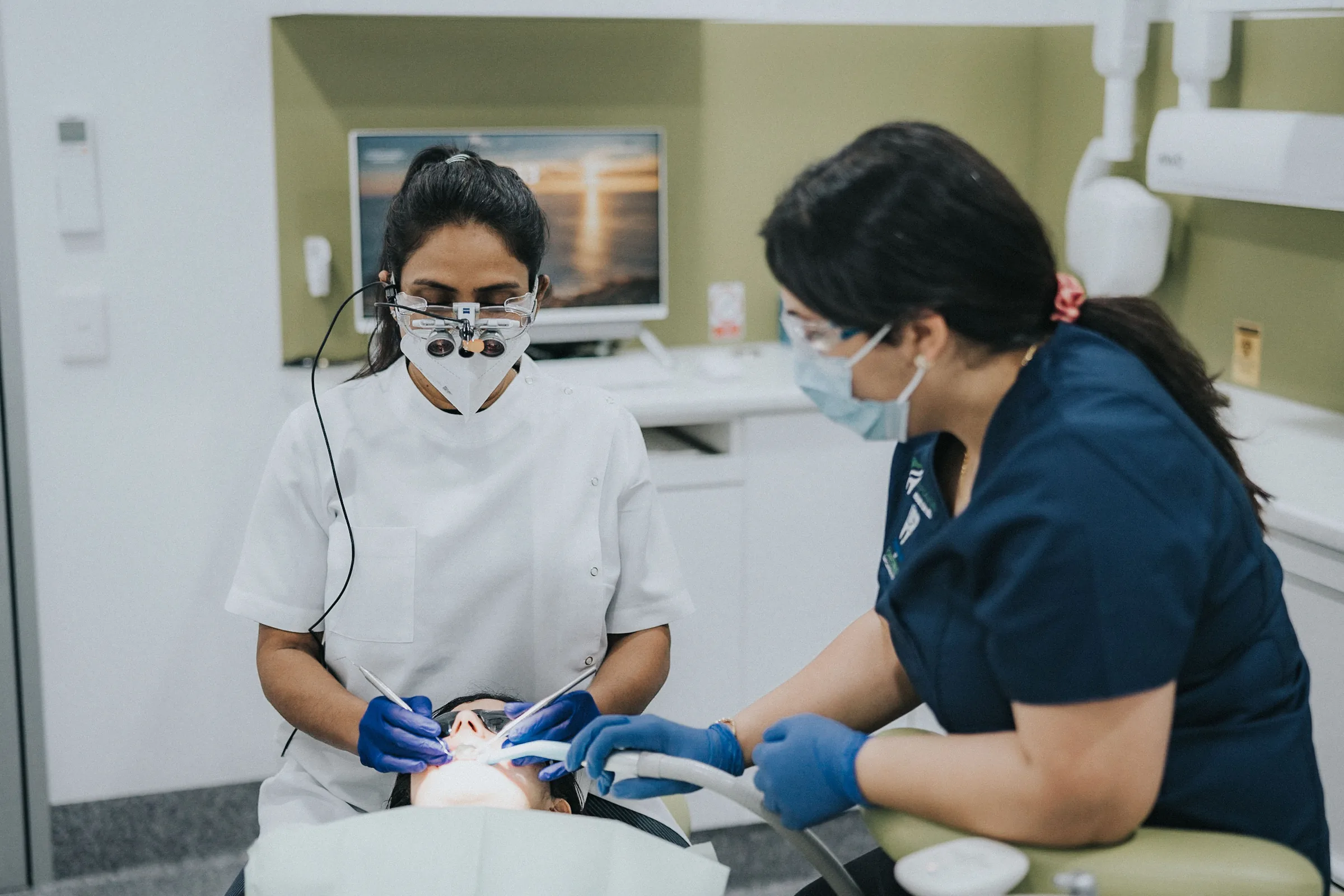
A gap where a tooth used to be may affect how you chew, and you may be wondering whether a bridge is the answer. It can be one option, but it relies on the teeth either side of the gap, so those teeth matter as much as the space itself.
The first appointment looks at the gap, the neighbouring teeth, your bite and your gums, and compares a bridge with an implant, a denture or leaving the space for now. You can ask as many questions as you like, and fees and cleaning needs are explained before anything is planned.
The size, position and bite of your gap are checked first
Teeth beside the gap checked for strength and gum support
Ask how you would clean under a bridge each day
Ask how an implant or denture compares with a bridge















Use these details to decide whether to book online or call first. Fees, health fund claiming and any treatment needs are confirmed after your dentist checks what is involved.
One or more teeth are missing and you want to understand whether a fixed replacement attached to nearby teeth may be suitable.
One or more teeth are missing and you want to understand whether a fixed replacement attached to nearby teeth may be suitable.
The missing-tooth space, neighbouring teeth, gum health, bite, cleaning access and X-rays where useful.
A bridge fee follows the gap and the teeth that hold it: how many teeth are involved, records, materials, laboratory work and any care needed first. Ask for the likely fee before you decide. Ask what is included before you agree to go ahead.
Call first for swelling, trauma, severe pain, a loose bridge, a broken support tooth or a crown linked to the bridge that has come off.
A bridge can feel more fixed than a denture, which may be why it comes to mind first. The teeth that hold it need careful assessment and maintenance, so they get a careful look before anything is planned.
Your dentist checks the size and position of the gap and how your bite meets it. That shows whether a bridge can be planned or another option should be compared.
A bridge is held by the teeth either side of the gap. Your dentist checks they have enough healthy structure and gum support before using them, and can explain another option if they do not.
Ask how you would clean under and around the replacement tooth every day. A bridge design needs cleaning access, so your dentist checks that this is practical for you.
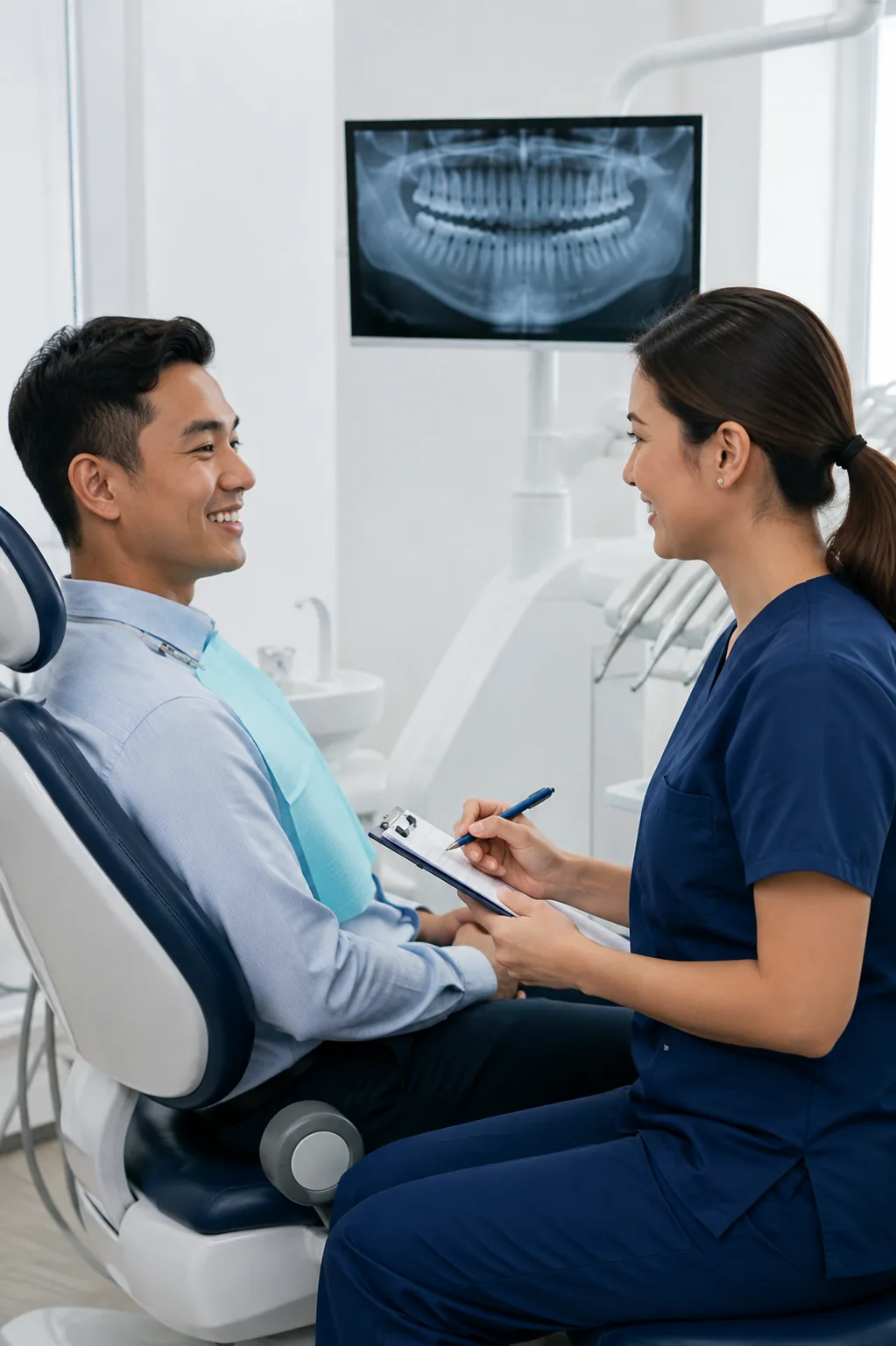
The assessment helps decide whether a bridge, implant, denture, staged care or no immediate replacement should be discussed.

A missing tooth may affect chewing, speech, appearance or how nearby teeth meet.
If neighbouring teeth need crowns, a bridge may be part of the discussion.
A fixed bridge may need comparison with implant and removable replacement options.
Whether a bridge suits you comes down to the gap, the teeth beside it, your gums, your bite and whether you could clean under it every day.
A wide gap, a short one or one where nearby teeth have tilted can change the bridge design and timing. Your dentist checks the size, shape and position of the space before planning.
Support teeth are checked for cracks, fillings, decay risk and gum support.
If you grind, clench or bite hard, tell your dentist before a bridge is planned. Heavy bite forces can affect the design and the care it needs afterwards.
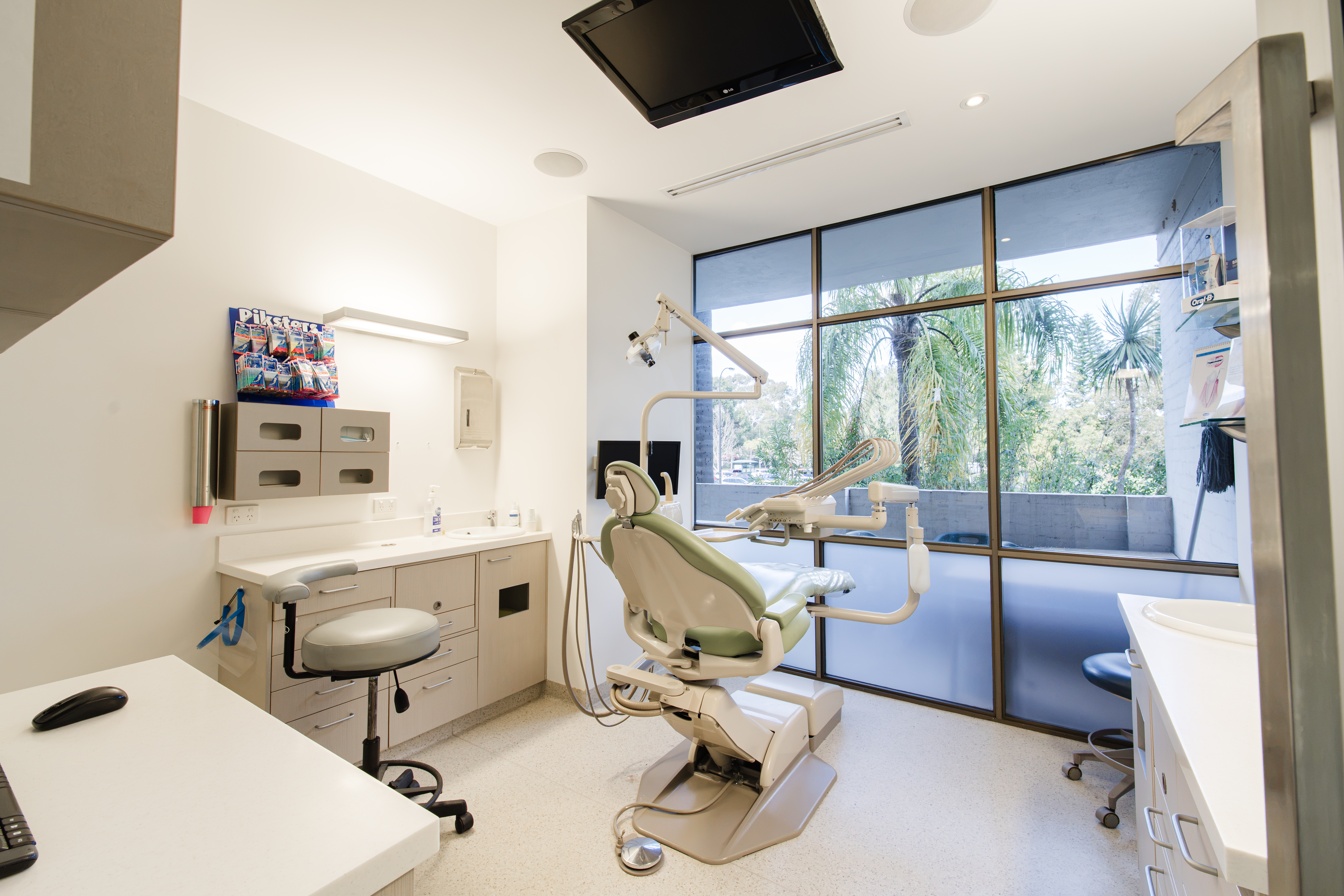
Your dentist can explain why X-rays, scans, photos or alternative replacement planning may be recommended.
Tell your dentist if your gums bleed when you brush. They check the gums around the support teeth, because healthy gums and cleaning access make long-term care around a bridge more manageable.
A bridge is one of several ways to fill a gap. Your dentist can explain how an implant, a denture or leaving the space for now compares, and what each would involve.
Before a bridge is planned, ask whether you could clean under it every day and which tools you would use. Your dentist checks the shape of the gap and gums to see if that is practical.
Your dentist checks whether the space and support teeth can carry a bridge and what other options should be compared.
Tell the team how long the tooth has been missing, whether chewing has changed and whether implants or dentures have already been discussed.
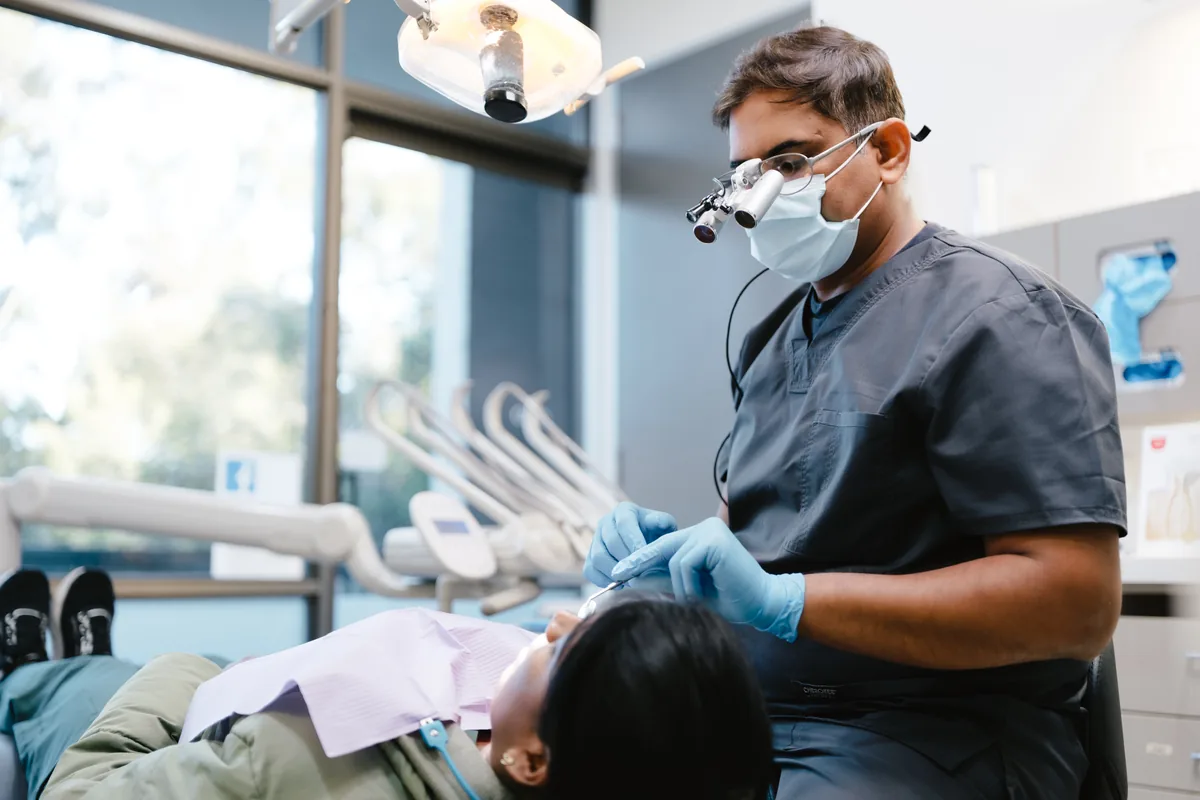
Step 01
The space, nearby teeth, gums and bite are checked before replacement choices are compared.
Step 02
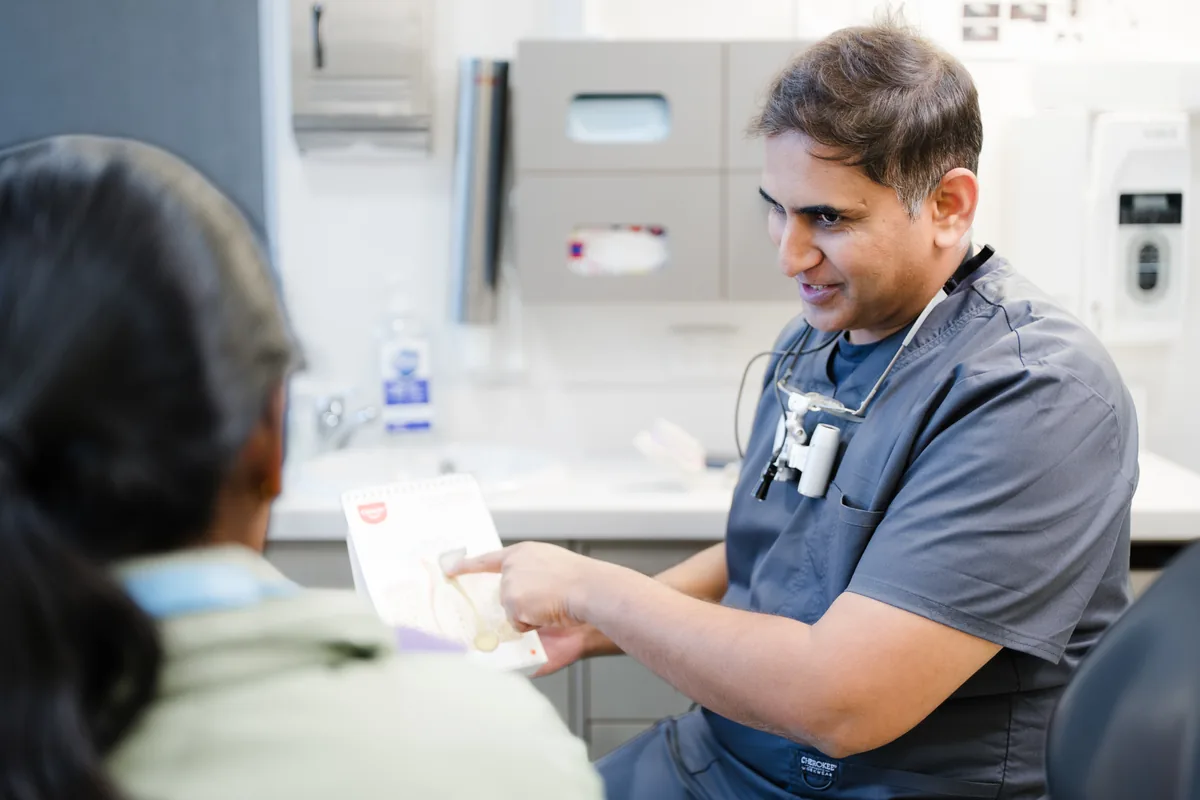
If suitable, your dentist explains preparation, materials, cleaning access, lab stages and fees.
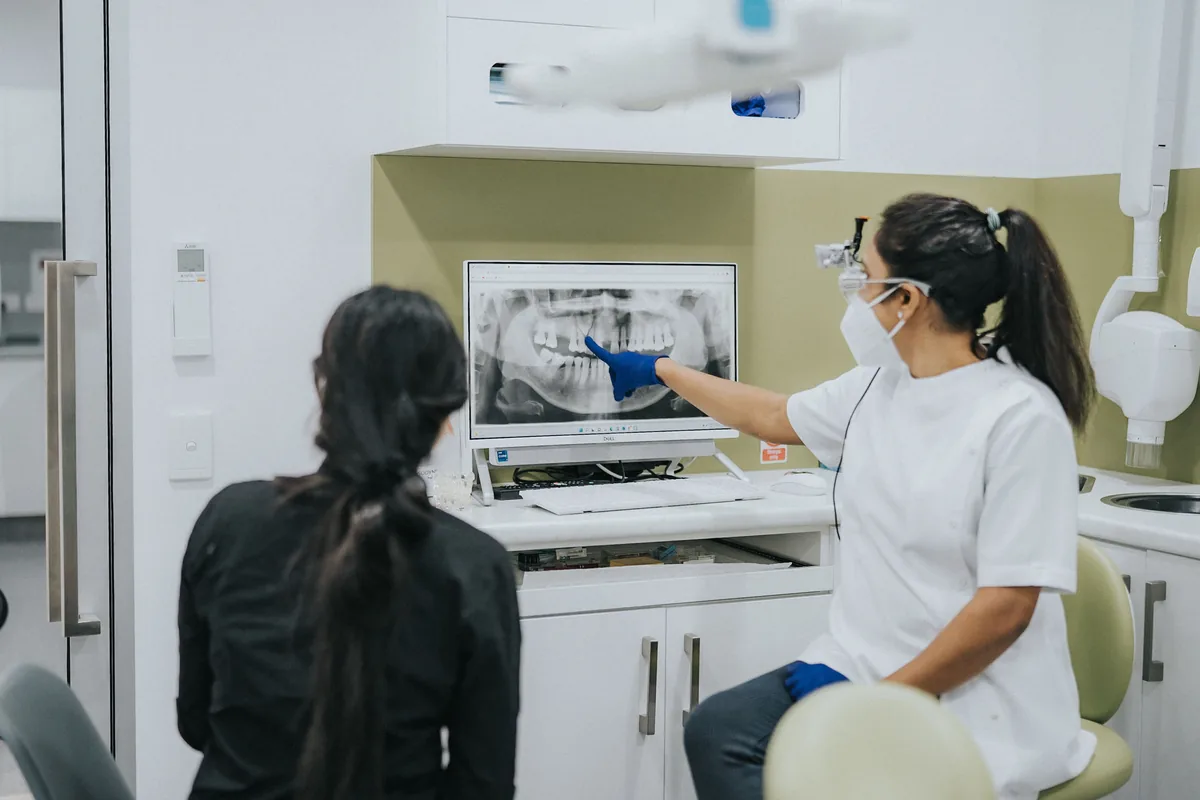
Step 03
After fitting, review and home care focus on cleaning around the bridge and checking the support teeth.
A bridge is not the only way to replace a missing tooth. Suitability depends on the mouth around the gap.
A single gap may be suitable for bridge discussion if nearby teeth can support it.
If the teeth beside the gap already have large fillings, damage or need crowns, tell your dentist. This can make a bridge more or less suitable, and they can explain why.
A bridge can be discussed when a removable denture is not the preferred first question.
Think about whether you could clean under and around the bridge every day. Your dentist checks whether the design leaves room for that, so ask how it would be cleaned before you agree to a plan.
Fees vary with the number of teeth involved, records, material, support-tooth treatment, laboratory work and review needs.
The team can explain likely bridge fees, possible separate costs, health fund claiming and payment options before treatment begins.
Number of teeth being replaced or crowned.
Condition of support teeth and gum health.
Records, materials, laboratory stages and temporary work.
Health fund policy limits, item numbers and payment-provider terms.
A bridge needs cleaning around the support teeth and under the replacement tooth, plus review over time.
Bring the missing-tooth timeline
How the tooth was lost, how long the gap has been present and whether chewing has shifted all help bridge planning.
Mention how long the tooth has been missing and bring previous X-rays or treatment notes if you have them.
Ask how the bridge will be cleaned and what alternatives are being compared.
Use the cleaning tools recommended and call if the bridge feels loose, high or difficult to clean.
If your search started with a gap, these links can help you compare fixed, removable and implant replacement options.
If assessment points to a different need, we can explain why dentures, implants, crowns or staged care may be a better starting point.
Questions to ask before a bridge: how the support teeth are checked, what else could fill the gap, how cleaning and fees work and when to call first.
A bridge comes up when one or more teeth are missing and you would like to know about a fixed replacement attached to the teeth beside the gap.
If you are unsure where to start, tell reception how long the tooth has been missing and what has changed.
Book online for planned bridge assessment. Call first for swelling, severe pain, trauma, a loose bridge or a broken support tooth.
Visit us
Level 1, Suite 4, 57 Labouchere Road, South Perth WA 6151
Call reception before you travel if access or parking could affect your visit.
South Perth clinic page11 Salix Way, Forrestfield WA 6058
Call reception before you travel if access or parking could affect your visit.
Forrestfield clinic pageShop 5, 35 Southwell Crescent, Hamilton Hill WA 6163
Call reception before you travel if access or parking could affect your visit.
Hamilton Hill clinic pageOpening hours
Monday - Friday 9:00AM - 6:00PM
Saturday: 9:00AM - 1:00PM
Sunday - Closed
Call to check the next available time.
Monday - Friday 9:00AM - 6:00PM
Saturday: 9:00AM - 1:00PM
Sunday - Closed
Call to check the next available time.
Monday - Friday 9:00AM - 6:00PM
Saturday: 9:00AM - 1:00PM
Sunday - Closed
Call to check the next available time.
Contact