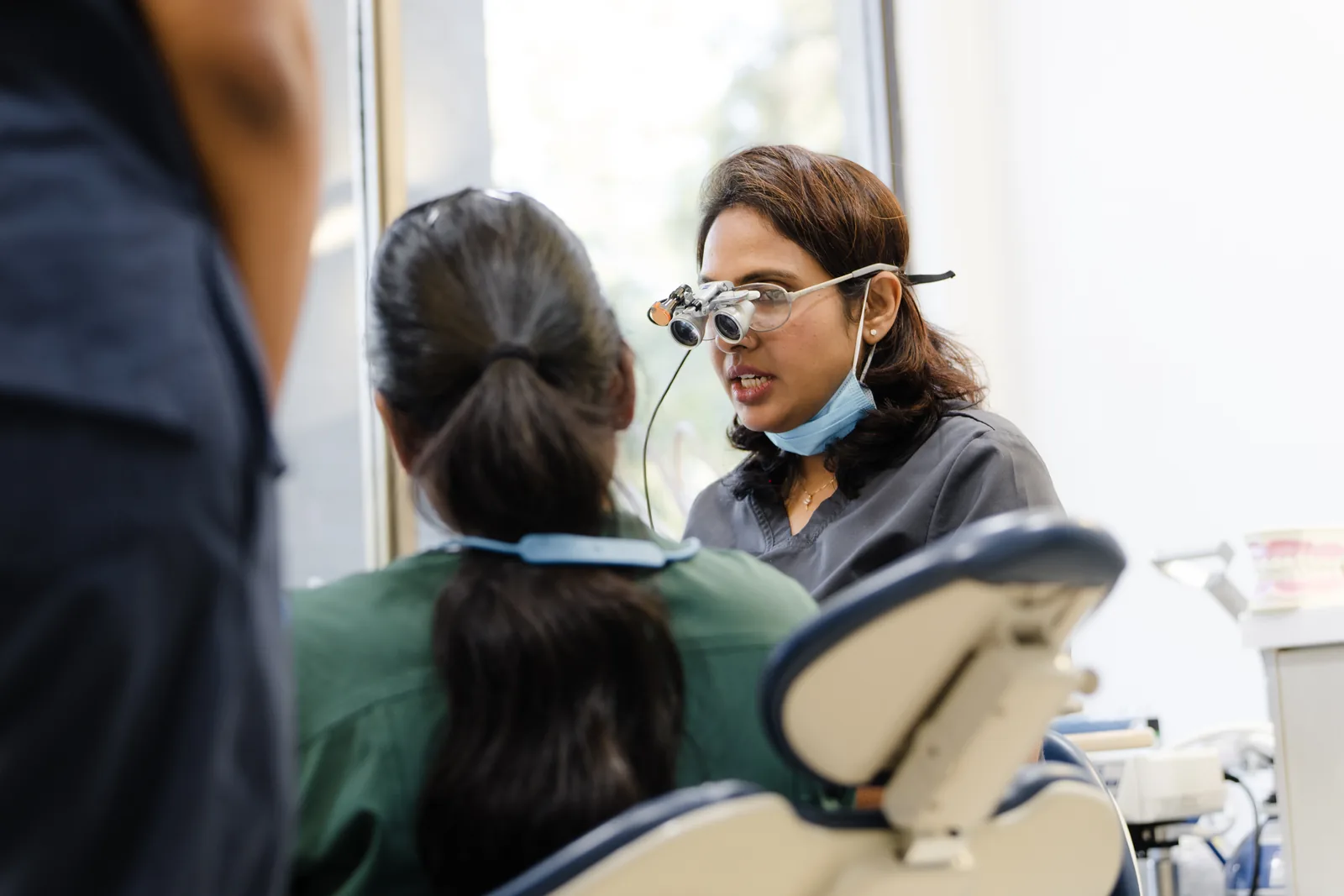
When to ask about invisalign consultation
You're curious about Invisalign but not ready to commit. You can ask questions, consider the plan and seek another opinion.


You may not be ready to start treatment. You may simply want to know whether clear aligners are realistic for your teeth and routine.
The consultation checks what needs assessment, what records may be needed and what could affect timing, cost and suitability.
Teeth, gums and bite checked for aligner suitability
Ask which scans, photos or X-rays are needed first
Ask how daily wear would fit your routine
Ask about retainers and reviews after treatment















Use these details to decide whether to book online or call first. Fees, health fund claiming and any treatment needs are confirmed after your dentist checks what is involved.
You're curious about Invisalign but not ready to commit. You can ask questions, consider the plan and seek another opinion.
You're curious about Invisalign but not ready to commit. You can ask questions, consider the plan and seek another opinion.
Tooth position, gum health, bite, oral hygiene, tooth wear, previous orthodontics and records where clinically useful.
Wondering what a consultation includes and costs? Ask whether records are included in the appointment fee or quoted separately. If you later plan treatment, fees can vary with records, case complexity, stages, refinements, retainers and any preparatory care. Ask what is included before you agree to go ahead.
you have swelling, severe pain, dental trauma, a broken tooth, loose teeth or a sudden bite change
The first appointment is used to assess your teeth, gums and bite before any decision about treatment is made. It is a first suitability check, not a commitment that treatment will go ahead.
Whether aligners could suit your crowding, gaps or shifted teeth, and what might limit them.
Gums, teeth, roots, bite and oral hygiene can affect whether aligners should begin.
The next step may be treatment planning, monitoring, another service, referral or time to consider your options.

Pick the one closest to you. The appointment helps decide whether clear aligners are realistic or whether another option should be compared.
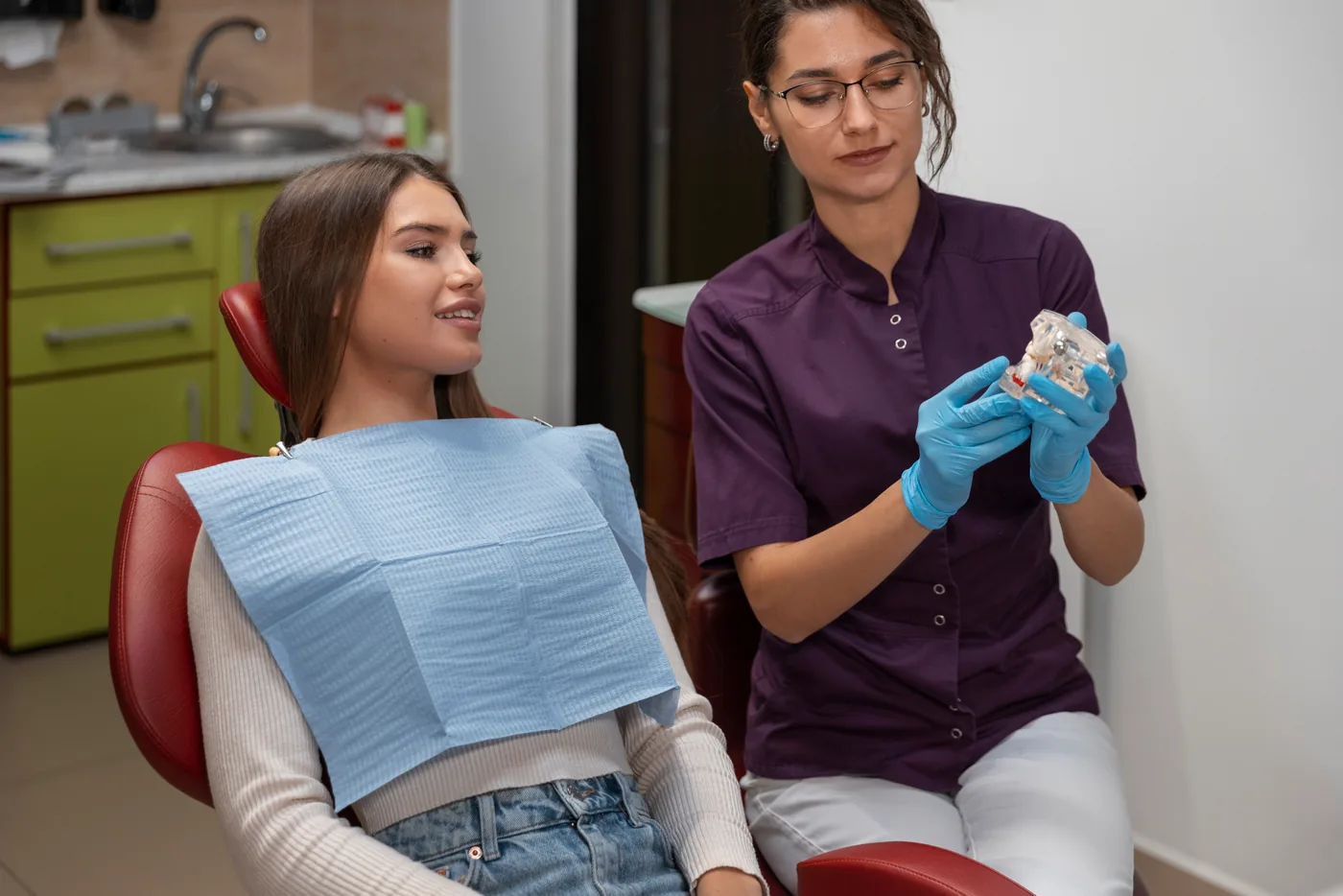
Teeth that overlap or rotate may need staged movement and enough space for the planned tooth movement.
Gaps or teeth that moved after past orthodontics may need retention and bite planning.
If your teeth meet unevenly, look worn or your jaw feels sore, tell your dentist. They check whether aligners alone are enough or another option should be compared.
Clear aligner suitability depends on more than tooth position. Gum health, bite, records, compliance and retention all matter.
Tell your dentist if your gums bleed or look like they have pulled back. They check for inflammation, recession and bone support, because these affect how teeth can be moved.
Your dentist checks how your upper and lower teeth meet when you bite. Some bites suit aligners and others limit what they can do, so ask which applies to you.
Your dentist looks at how far crowded or gapped teeth need to move. More movement shapes how treatment is staged and how complex it may be, so ask what to expect for your teeth.
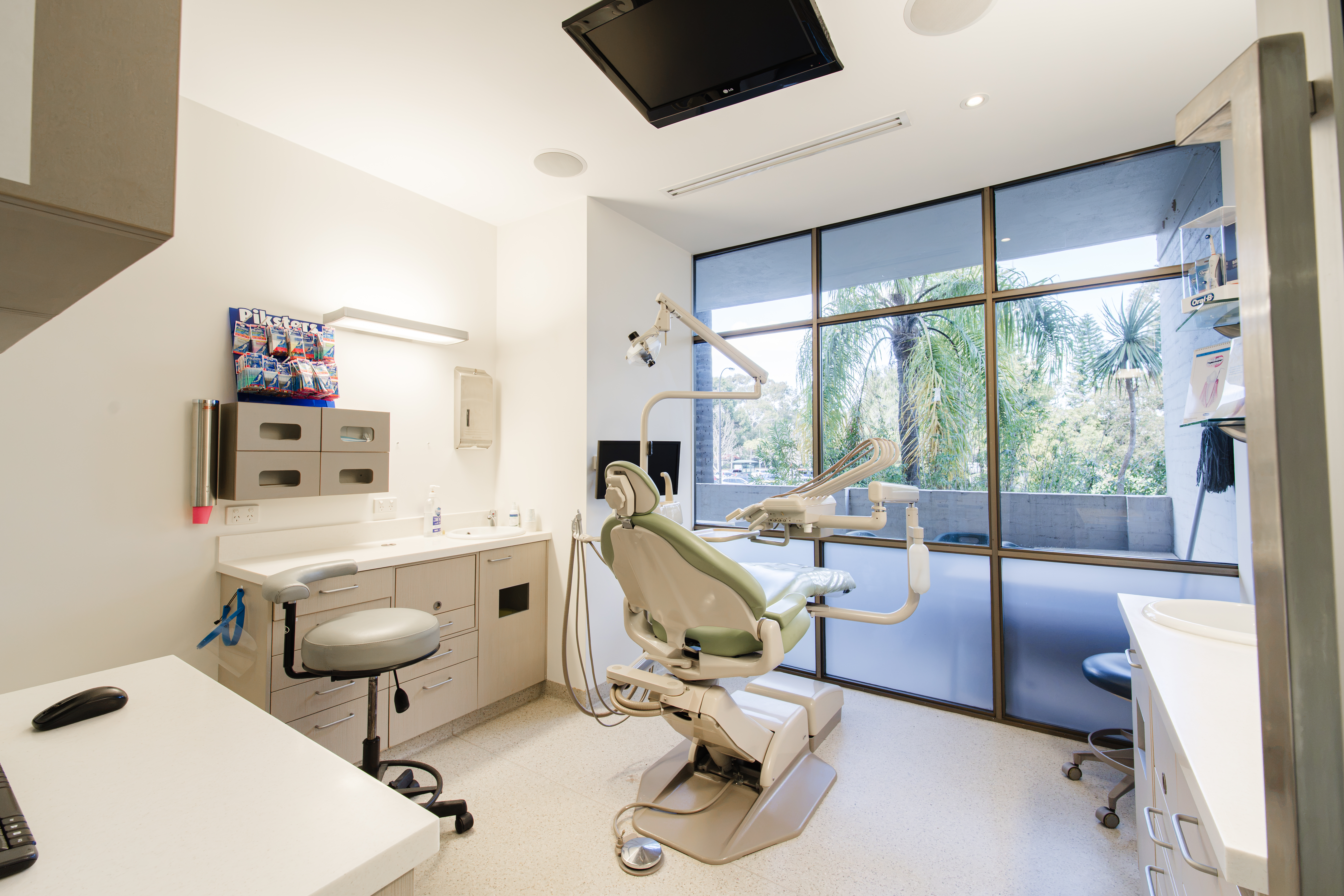
Your dentist can explain why scans, photos, X-rays, referral or another treatment option may be recommended.
Grinding, clenching or worn edges may need discussion before movement starts.
Your dentist may suggest scans, photos or X-rays to see your teeth, roots and bite before aligners are planned. Ask what each record shows and whether it is included in the fee.
After the aligners finish, retainers help keep your teeth where they are. Ask which retainers you would wear, how you would wear them and how often they would be reviewed.
The first appointment is used to understand what has changed, what you want to be able to do, and what needs checking before treatment is planned.
Tell the team about previous orthodontics, retainer use, tooth movement, gum problems, grinding, travel and how reliably aligners can be worn.
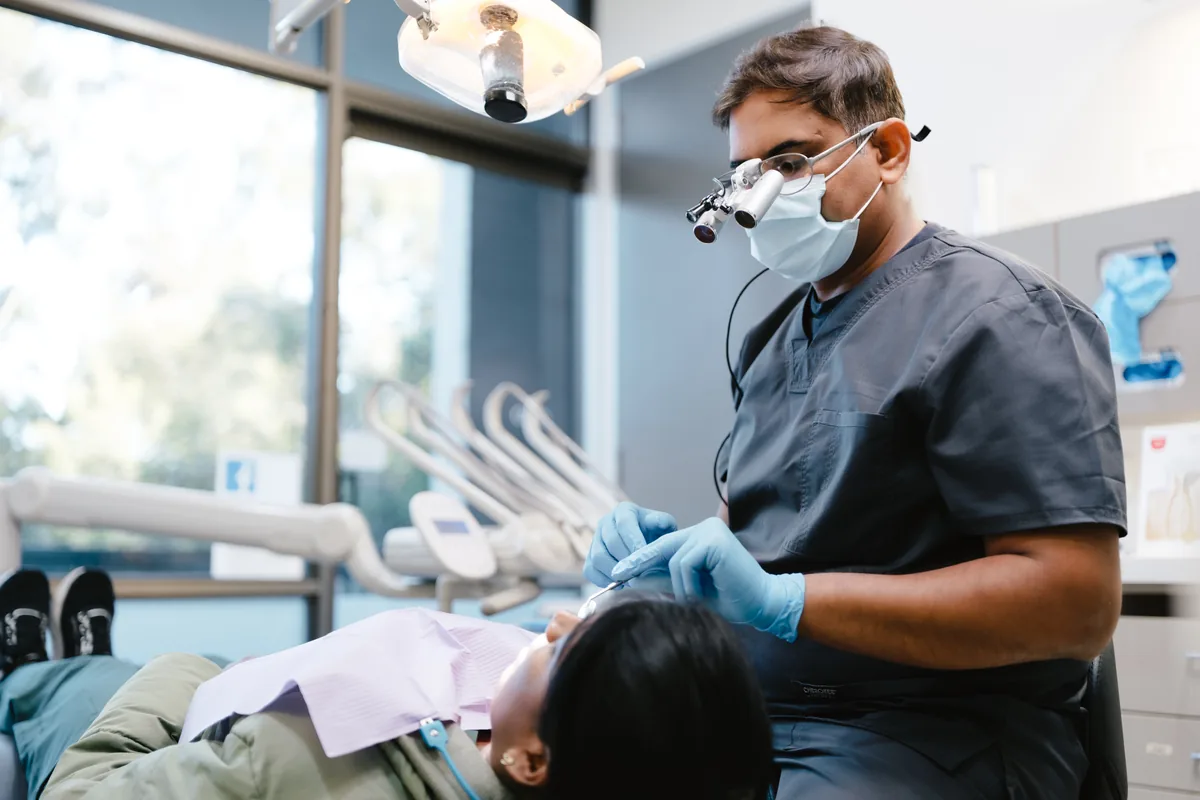
Step 01
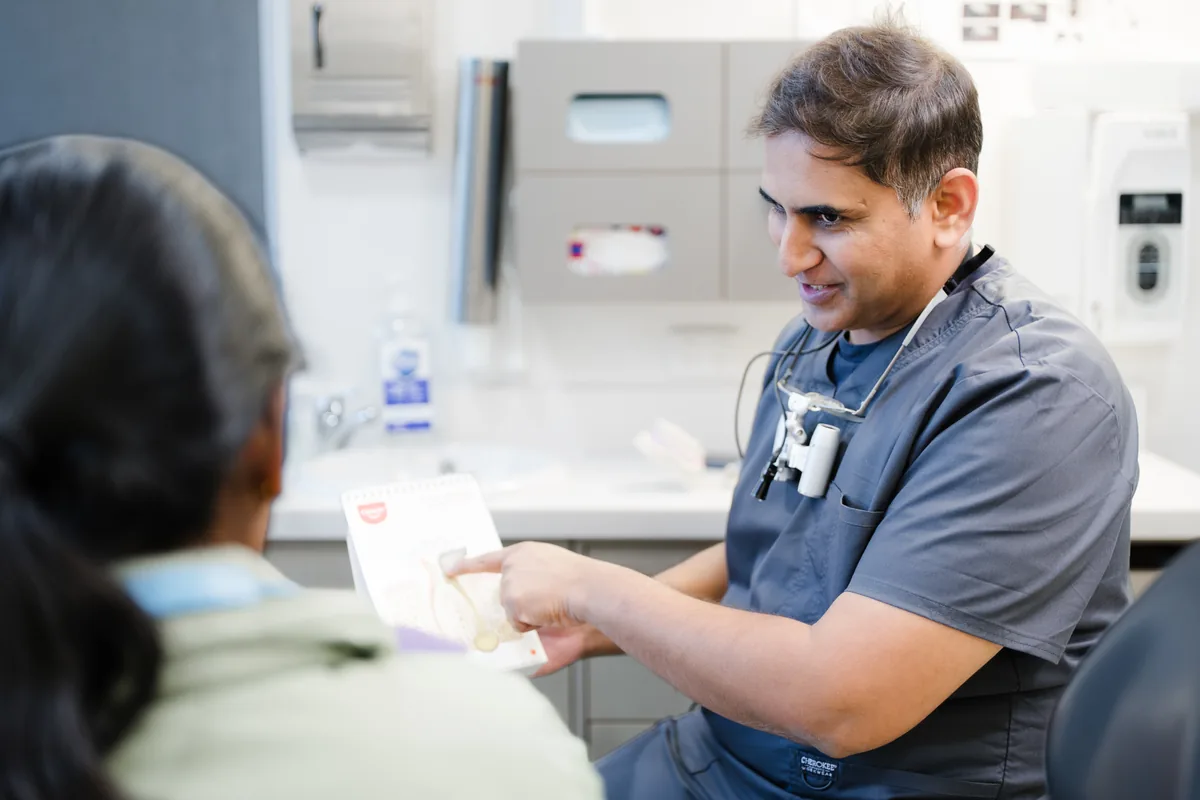
The first appointment is used to understand what has changed and what you want to be able to do.
Step 02
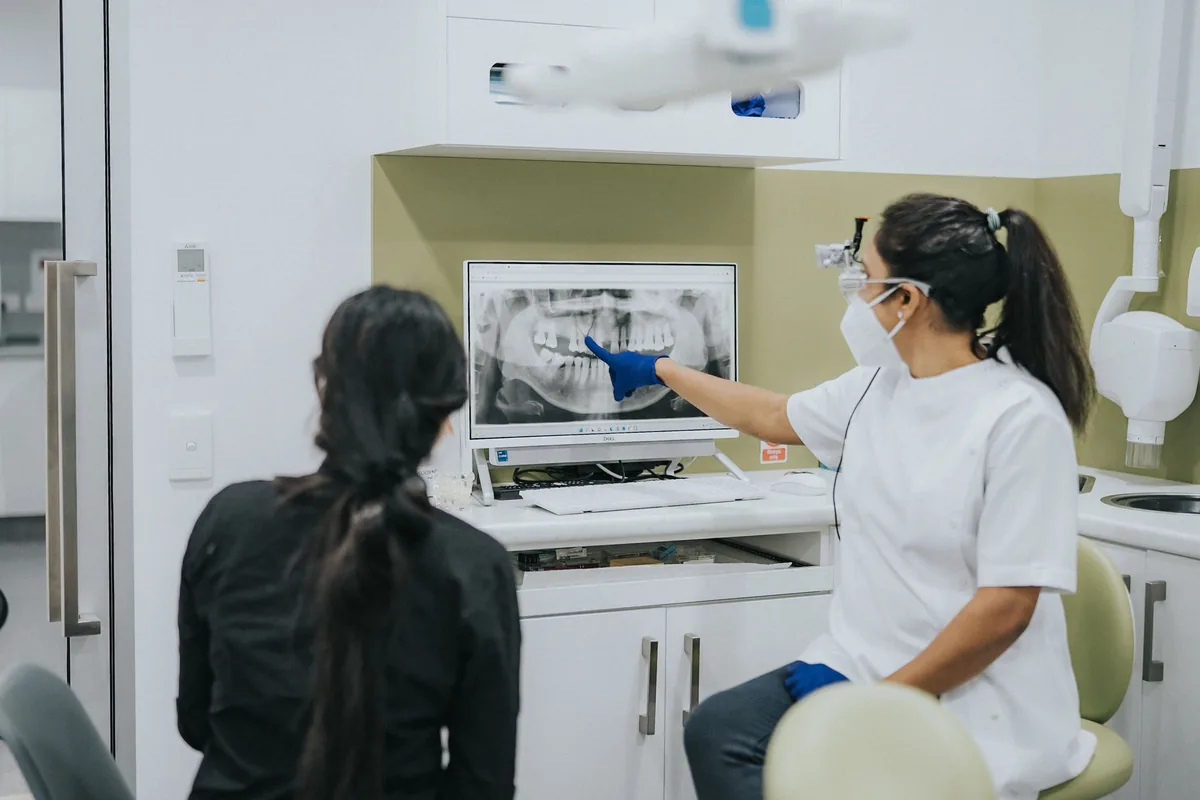
Teeth, gums, bite and oral health are checked. Scans, photos or X-rays may support planning, along with wear-time, attachments, refinements and fees.
Step 03
The next step may be treatment planning, monitoring, another service, referral or time to consider your options. Fees should be explained before you decide.
Clear aligners are not suitable for every patient or every bite. Assessment comes first.
Crowding, spacing or rotations may be assessed for aligner suitability.
Gums and teeth need to be healthy and settled before they are moved. Your dentist checks for gum problems or decay first, and may suggest treating them before aligners begin.
Treatment depends on wearing aligners as directed and attending reviews.
Retainers are needed after treatment to help maintain tooth position.
Ask whether records are included in the appointment fee or quoted separately. If you later plan treatment, fees vary with case complexity, records, aligner stages, refinements, retainers and any care needed before treatment.
The team can explain likely aligner fees, possible separate costs, health fund claiming and payment options before treatment begins.
Scans, photos, X-rays or other orthodontic records.
Complexity of tooth movement and expected stages.
Attachments, refinements, retainers and review appointments.
Health fund policy limits, item numbers and payment-provider terms.
Wear-time, attachments, refinements, retention and limits should be explained before you decide. Alignment history helps shape aligner planning.
Bring your alignment history
Previous braces, lost retainers, shifting teeth, gum concerns and tooth wear all help shape aligner planning.
Mention previous orthodontics, retainer use, gum treatment, grinding, clenching or any teeth that feel loose.
Wear aligners as directed, keep them clean and call if tracking, fit or attachment issues occur.
Wear retainers as advised and return for review if retainers feel tight, broken or lost. Retainers should be discussed before starting.
Not sure whether to start with a consultation or compare options first? These pages may help.
If assessment points to a different need, we can explain why another orthodontic, general dental or restorative option may be a better starting point.
Short answers about what an Invisalign consultation involves, records, costs and alternatives, and what to ask about treatment.
If you're curious about Invisalign but not ready to commit, you can ask questions at a consultation. It is an assessment, not confirmation that treatment will go ahead.
You can ask questions, consider the plan and seek another opinion.
Book online for a planned aligner assessment. Call first for swelling, severe pain, trauma, loose teeth or a sudden bite change.
Visit us
Level 1, Suite 4, 57 Labouchere Road, South Perth WA 6151
Call reception before you travel if access or parking could affect your visit.
South Perth clinic page11 Salix Way, Forrestfield WA 6058
Call reception before you travel if access or parking could affect your visit.
Forrestfield clinic pageShop 5, 35 Southwell Crescent, Hamilton Hill WA 6163
Call reception before you travel if access or parking could affect your visit.
Hamilton Hill clinic pageOpening hours
Monday - Friday 9:00AM - 6:00PM
Saturday: 9:00AM - 1:00PM
Sunday - Closed
Call to check the next available time.
Monday - Friday 9:00AM - 6:00PM
Saturday: 9:00AM - 1:00PM
Sunday - Closed
Call to check the next available time.
Monday - Friday 9:00AM - 6:00PM
Saturday: 9:00AM - 1:00PM
Sunday - Closed
Call to check the next available time.
Contact